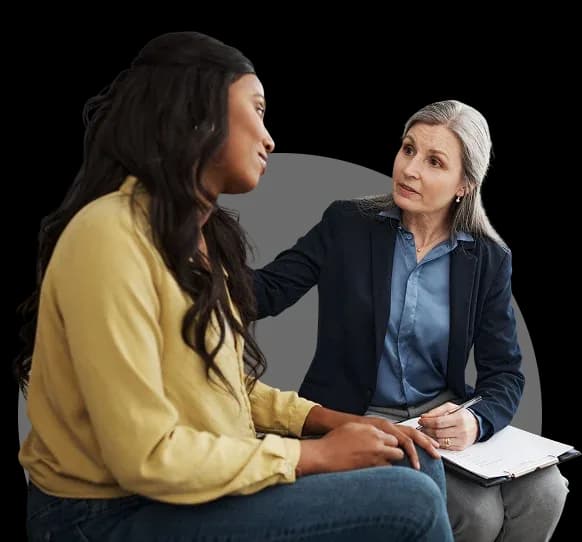
Transitioning from structured treatment in California brings unique challenges as you work to preserve the progress you’ve achieved. Recovery’s most delicate phase often occurs during early sobriety, where the transition from comprehensive programming to self-directed living creates feelings of uncertainty, loneliness, and instability. Bridging this critical gap requires sober living, though selecting an appropriate environment carries more significance than many recognize. Common concerns we encounter include:
Will my resolve hold without constant clinical oversight and support?
Can I trust housemates to reinforce my recovery goals rather than sabotage them?
How will I handle the expectations and boundaries of communal living?
Is sober housing financially feasible during my transition period?
Valid concerns like these demonstrate your awareness of recovery’s complexities. Finding a sober living community that offers responsibility, authentic encouragement, and sufficient framework to safeguard your progress while avoiding restrictive limitations becomes essential.
Understanding that healing continues beyond program completion, District Behavioral Health Group recognizes recovery as an ongoing process. Residents in our California sober living program experience peer-driven support within a clinically-guided framework, fostering mutual accountability while developing essential life competencies for sustained sobriety. Balanced integration of expectations, fellowship, and respect creates conditions for enduring recovery success.
Continue reading below.
Why Trust Us With Your Care
Lives Treated
5,177+
Licensed Professionals
9+
States Served
12
Verified Reviews
355+
Tour Our Sober Living Homes in California
Our Locations
Full-Spectrum Care. One Seamless Recovery Journey.
Our comprehensive recovery network takes the guesswork out of treatment, with a clear, connected journey that supports you every step of the way.
Sober Living rehab in California offers stability at a time when everything can feel uncertain. When addiction starts to strain the relationship, even daily routines may feel tense or disconnected. Being in treatment together brings both people into the process, creating space to rebuild trust and lower the stress that comes with facing recovery alone. The structure is familiar because it mirrors real life. With both partners involved from the start, recovery becomes something you face together, stronger. That’s what makes it easier to stay committed when things get difficult.
Care program that includes the emotional role of the relationship
Dedicated support that adapts to both partners’ progress
Daily structure that strengthens communication and trust
Tools for staying focused and stable as a team
When both partners enter treatment together, the shared experience builds understanding and accountability. As progress continues, the relationship grows into a steady source of support. This makes it easier for both to stay on track over time.
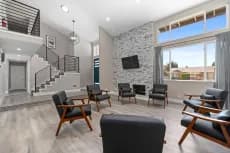
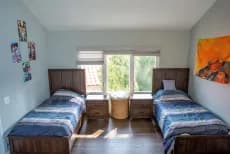
Our clean and modern facilities are located near beautiful beaches and a thriving sober community. Clients enjoy easy access to local hiking spots, beaches, restaurants & more nearby.
Close to The Beach
National>California Parks Nearby
Mild, Comfortable Weather
Strong Local Sober Community
What Our California Sober Living Clients Say
Why Traveling for Sober Living in California Can Support Your Recovery
Familiar environments don’t automatically make recovery easier to navigate. Security from established routines provides comfort, but this comfort often blocks authentic healing progress. Rapid return of old behavioral patterns happens when people remain in unchanged settings. Environmental triggers can quickly undermine progress before substantial transformation takes root. Geographic relocation appeals to many individuals for this reason, sometimes requiring only short-distance moves to nearby areas.
Renaissance Recovery’s partnership with the District Behavioral Health network offers sober living options in refreshing locations. Distance from daily pressures makes structured routine maintenance significantly easier. Natural development of positive habits occurs without previous temptation interference. Meaningful transformation becomes realistic while sustainable recovery gains momentum over time.
Familiar settings tend to reinforce existing behavioral patterns
New environments enable better focus by eliminating outside distractions
Physical relocation often creates the groundwork needed for fresh starts
Successful sober living flourishes in calm settings removed from routine stressors. Departure from known territories frequently initiates this essential transformation process.
Choosing to travel for couples rehab offers a change of pace without losing connection. Stepping into a new environment helps reduce daily pressure and familiar triggers. With space to slow down and refocus, couples can stay present in care and begin rebuilding trust together.
Fear of separationcan make couples avoid treatment
Resentment often builds when both partners feel troubled
Most don’t know how to help each other without hurting each other
Sober Living drug rehab is available through the District Behavioral Health network at select locations. Each facility provides joint therapy, individual counseling, and structured support that fits the unique needs of couples recovering together.This approach allows both partners to grow without growing apart.
Discover How Our Sober Living Program Succeeds in California
Joint sessions to rebuild trust
Groups with shared recovery goals
Tools for better communication
Balance between life and recovery
Learn About District Behavorial Health
What to Expect
Our Drug rehab programs at Distric Behavioral Health & our other facilities under District Behavioral Health Group offer a full continuum of care, including medical detox, inpatient treatment, partial hospitalization (PHP), intensive outpatient (IOP), and standard outpatient (OP) services. Whether you’re looking for structured care or flexible support, drug rehab options are designed to meet a range of needs.
Our Admissions Process
Housing Admission Process: Step-by-Step
Step 1
Share your story:Connect with us and let us understand your background, challenges, and goals for recovery.
Step 2
Complete a simple pre-screening:Answer a few questions so we can assess your needs and coverage.
Step 3
Get your personalized treatment plan:We’ll recommend the program best suited to your situation and goals.
Step 4
Coordinate your journey:Our team helps you arrange travel, admissions details, and next steps.
Step 5
Begin your recovery:Arrive at your chosen facility and start the healing process with confidence.
Our Staff
Staff Member
Position Title
Certification and/or Master
Alina Nejadian
Clinical Director
LMFT
Dr. Matthew D’urso
Clinical Director (RR FL)
Ph. D
Brooke Whitfield-Fattovich
Clinical Therapist (RR FL)
LMHC
Caitlin Garcia
Program Director
CADC-II
Krista Muldoon
Therapist
AMFT
Erika Reitz
Therapist
AMFT
Valanda German
Therapist
APCC, AMFT
Tonya Parker
Therapist
ASW
Ricky Albillar
Case Manager
SUDCC II
Marcus Harper
Case Manager
RADT
Jon Bacak
Case Manager
SUDRC
Carey Yath
Case Manager
RADT
Kayla Matino
Operations Manager
CADC 1
Leah McGuire-Berning
Operations Lead
RADT
Chance Lyons
Operations Support
SUDRC
Alijah Lott
Human Resources Coordinator
B.S.
Our Team
Staff Member
Position Title
Certification / Master
Alina Nejadian
Clinical Director
LMFT
Dr. Matthew D’urso
Clinical Director (RR FL)
Ph.D
Brooke Whitfield-Fattovich
Clinical Therapist (RR FL)
LMHC
Caitlin Garcia
Program Director
CADC-II
Krista Muldoon
Therapist
AMFT
Valanda German
Therapist
APCC, AMFT
Tonya Parker
Therapist
ASW
Ricky Albillar
Case Manager
SUDCC II
Marcus Harper
Case Manager
RADT
Jon Bacak
Case Manager
SUDRC
Carey Yath
Case Manager
RADT
Kayla Matino
Operations Manager
CADC I
Leah McGuire-Berning
Operations Lead
RADT
Chance Lyons
Operations Support
SUDRC
Alijah Lott
Human Resources Coordinator
B.S.
Amber Mcginley
Case Manager
RADT
Amy Leifeste
Writer
Ayden Carney
Lead Behavioral Health Technician
RADT
Blakelynn Muck
Admissions Counselor
Brittany Mccoy
Content Operations Manager
Cassandra Hill
Case Manager (Florida)
Celia Taylor
Operations
RADT
Chase Smith
Facilities Director
Cynthia Chacon
Admissions Counselor
Dallas Jones
Admissions Director
Daniel (Danny) Ruff
Clinical Outreach Specialist
Dave Grasso
Operations Manager
Devon Kimble
Case Manager
RAC
Emma Psomas
Associate Therapist
AMFT
Jack Murphy
Therapist
AMFT
Jack Petti
Chief Executive Officer
James Bilotti
Admissions Counselor
James Krier
Case Manager
CPRM
Jamie Courtney
Human Resources Director
Jayla Pierce
Operations Team
RAC
Jeff Robbins
Case Manager
RADT
Jesus Dominguez
Case Manager
SUDRC
Joel Cachola
Therapist
AMFT
Jose Rodriguez
Therapist
APCC
Joseph Pennino
Associate Therapist
APCC, AMFT
Joseph Sanchez
Admissions Counselor
Karena Mathis
Writer
Keith Dacosta
Alumni Coordinator
Kevin Cataldi
Director of Outreach
Kolby Seger
Chief Operating Officer
Kristof Vilgertshofer
Case Manager
RADT
Maggie Fortin
Therapist
AMFT
Mark Williams
Founder
Martin Lopez
Therapist
APCC
Matt Montesanto
Chief Financial Officer
Matthew Fleming
Case Manager
RADT
Melia Wells
Admissions Counselor
Natalie Pocoroba
Therapist
AMFT
Nicholas Rodriguez
Client Advocate (Florida)
Nicholas Trolley
Program Administrator
CADC II
Pablo Alcala
Director of Operations
Rachael Fitzirwin
Therapist
AMFT
Rachel Heiden
Case Manager
CADC-III
Reese Morgan
Executive Director
Richie Mintz
Director of Operations (Florida)
CRRA
Robert Manning
Admissions Counselor
Ryan Hoover
Admissions Counselor
Ryan Narriman
Case Manager
SUDCC
Ryan Ruiz
Therapist
AMFT
Saira Zulfiqar
Medical Reviewer
Sean O’Neill
Clinical Director
LMFT
Sierra Nicodemus
Operations Team
RADT
Taylor Berry
Admissions Counselor
Tiffany Stevens
Case Manager
CADC II
TJ Harrison
Vice President of Business Development
Will Dunbar
Community Director
SUDRC
Ysabella Esteban, MD
Medical Reviewer
What Addictions Do We Treat?
Addictions Distric Behavioral Health Treats
Adderall addiction
Alcohol addiction
Ambien addiction
Amphetamine addiction
Ativan addiction
Barbiturate addiction
Bath salts abuse
Benzodiazepine addiction
Cocaine addiction
Codeine addiction
Dexedrine addiction
Halcion addiction
Hydrocodone addiction
Inhalant addiction
Ketamine abuse
Kratom addiction
Lithium addiction
LSD addiction
Marijuana addiction
Meth addiction
Opioid addiction
OxyContin abuse
Painkiller addiction
Percocet addiction
Prescription drug addiction
Ritalin addiction
Stimulants abuse
Addictions Distric Behavioral Health Treats
Adderall addiction
Alcohol addiction
Ambien addiction
Amphetamine addiction
Ativan addiction
Barbiturate addiction
Bath salts abuse
Benzodiazepine addiction
Cocaine addiction
Codeine addiction
Dexedrine addiction
Halcion addiction
Hydrocodone addiction
Inhalant addiction
Ketamine abuse
Kratom addiction
Lithium addiction
LSD addiction
Marijuana addiction
Meth addiction
Opioid addiction
OxyContin abuse
Painkiller addiction
Percocet addiction
Prescription drug addiction
Ritalin addiction
Stimulants abuse
Levels of Addiction Treatment
Medical detox
Residential & inpatient addiction treatment
Partial hospitalization program (PHP)
Intensive outpatient program (IOP)
Outpatient Program (OP)
Aftercare rehabilitation services
Treatment Therapies
Drug Housing Therapies
What They Are
Cognitive Behavioral Therapy (CBT)
Helps individuals recognize and change negative thought patterns that drive addictive behaviors.
Dialectical Behavior Therapy (DBT)
Teaches emotional regulation, mindfulness, and coping skills to manage distress and improve relationships.
Motivational Interviewing (MI)
Encourages self-motivation by exploring personal goals and reducing ambivalence about change.
Contingency Management
Uses incentives and rewards to reinforce positive behaviors like staying sober.
12-Step Facilitation
Provides structured peer support rooted in the principles of Alcoholics Anonymous and similar programs.
Eye Movement Desensitization and Reprocessing (EMDR)
Uses guided eye movements to process and heal trauma linked to substance use.
Family Therapy
Involves loved ones in the recovery process to improve communication and repair relationships.
Group Therapy
Provides peer support, accountability, and shared learning in a guided therapeutic setting.
Holistic Therapy
Incorporates practices like yoga, meditation, art, and music to heal mind, body, and spirit.
Trauma-Informed Care
Addresses the role of past trauma in addiction and helps build healthy coping strategies.
Medication-Assisted Treatment (MAT)
Combines FDA-approved medications with counseling to reduce cravings and withdrawal symptoms.
Accreditations
Distric Behavioral Health Accreditations & Licenses
Accreditation / License
Status
JCO
2026 Registered
DHCS
2026 Registered
LegitScript
2026 Registered
Team Credentials (Staff Count)
AMFT
10
APCC
4
ASW
1
B.S.
1
CADC I
1
CADC-II
1
CADC-III
1
CPRM
1
LMFT
2
LMHC
1
Ph.D
1
RAC
2
RADT
10
SUDCC II
1
SUDRC
4
Inclusive & Specialized Care Programs
Specialized Housing for Select Groups
12 Step Drug & Alcohol Housing
Faith Based Drug & Alcohol Housing
Meth Housing
Alcohol Housing
Fentanyl Housing
Opioid Housing
Cocaine Housing
First Responders Drug & Alcohol Housing
Sober Living
Sober Living Drug & Alcohol Housing & Detox
Heroine Housing
Teen/Young Adults Drug & Alcohol Housing
Device & Electronic Friendly Housing
Kratom Housing
Veterans Drug & Alcohol Housing
Executive Drug & Alcohol Housing
Men’s Drug & Alcohol Housing & Detox
Women’s Drug & Alcohol Housing & Detox
Short-term 7/10/14 rehab
30/60/90 Day Housing
Same-day emergency rehab
Specialized Housing for Select Groups
12 Step Drug & Alcohol Housing
30/60/90 Day Housing
Alcohol Housing
Cocaine Housing
Sober Living Drug & Alcohol Housing & Detox
Device & Electronic Friendly Housing
Executive Drug & Alcohol Housing
Faith Based Drug & Alcohol Housing
Fentanyl Housing
First Responders Drug & Alcohol Housing
Heroin Housing
Kratom Housing
Men’s Drug & Alcohol Housing & Detox
Meth Housing
Opioid Housing
Same-day Emergency Housing
Short-term 7/10/14 Day Housing
Sober Living
Teen/Young Adults Drug & Alcohol Housing
Veterans Drug & Alcohol Housing
Women’s Drug & Alcohol Housing & Detox
What Makes Sober Living Drug Housing in California
Why Choose Our California Sober Living Program
For folks seeking sober living in California through Renaissance Recovery via the District Behavioral Health group gives clients a structured and supportive setting to continue progress after treatment. Each person is matched with a living environment that fits their goals, pace, and recovery needs. Care plans evolve as individuals build independence and regain balance.
Fully licensed and accredited care backed by 40+
Trusted by 19,000+ individuals who’ve entered recovery through DBH
Rated 4.9 across verified reviews from real clients
This level of care is ideal for individuals in California who have completed treatment but still need structure. With routines and consistent oversight, sober living helps people stay steady while preparing for long-term independence.
Trusted by 19,000+ people who have sought care through District Behavioral Health
Licensed and accredited care supported by 40+
Built on experience guiding recovery, with 8+ years in operation
This level of care helps couples in California stay grounded with steady clinical support while working through shared recovery goals. With thoughtful care placement and personalized guidance, we help each relationship grow stronger through recovery.
What Makes Our Sober Living in California Different
85% Relapse
Without treatment
Within the 1st year of sobriety. Most people struggling with substance use disorder who do not get treatment relapse within months.
25-50% More Success
With treatment
Recovery rates improve with each level of care completed in the addiction treatment journey.
Addiction Therapies Used in California
District Behavioral Health uses addiction therapies that are backed by latest science in addiction treatment and are administered by our expert clinicians.
CBT helps individuals identify and change negative thought patterns and behaviors that contribute to addiction and mental health challenges. By learning practical coping strategies, clients gain healthier ways to manage stress and triggers in daily life.
Dialectical Behavior Therapy (DBT)
DBT focuses on building emotional regulation, mindfulness, and interpersonal effectiveness skills. It is especially effective for those dealing with intense emotions, self-destructive behaviors, or co-occurring mental health conditions.
Medication-Assisted Treatment (MAT)
MAT combines FDA-approved medications with counseling and behavioral therapies to treat substance use disorders. This approach reduces cravings and withdrawal symptoms, helping clients stay engaged in recovery.
Group & Family Therapy
These sessions create a supportive environment where clients can share experiences, build communication skills, and strengthen relationships. Family involvement helps repair trust, improve understanding, and create a healthier foundation for recovery.
Levels of Care in Addiction Treatment
Starting your journey toward recovery at District Behavioral Health is simple, fast, and fully supported. We offer same-day and next-day admissions, because when you’re ready to get help, there shouldn’t be any delays. Walk-ins are also welcome—we’re here when you’re ready to take that first step. From the moment you reach out, our compassionate admissions team will guide you through every part of the process, from insurance verification to creating a personalized treatment plan tailored to your needs. Our goal is to make the process stress-free, so you can focus on what matters most: your healing and recovery.
A supervised medical process that manages withdrawal symptoms to prepare individuals for ongoing treatment.
Inpatient Residential Addiction & Mental Health Treatment
A live-in program that delivers intensive, round-the-clock care and therapy to address substance use or mental health disorders in a structured setting.
Partial Hospitalization Program (PHP)
A structured, full-day treatment program that provides intensive therapy without requiring overnight stays.
Intensive Outpatient Program (IOP)
A flexible treatment option offering several hours of therapy per week while allowing clients to maintain daily responsibilities.
Outpatient Program (OP)
A step-down level of care with scheduled therapy sessions that support continued recovery while living independently.
Aftercare
Ongoing support and resources that help individuals maintain long-term sobriety and stability after completing formal treatment.
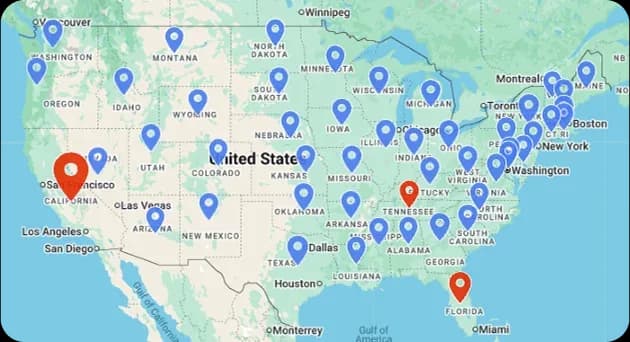
Our Treatment Network Locations Across US
District behavioral health belongs to a trusted network of addiction & mental health recovery centers across the nation.
*Red Pins: Our Locations / Blue Pins: States Patients Have Traveled From
Recovery is possible, and you don’t have to do it alone. Our compassionate team is available 24/7 to answer your questions and help you find the right path
Exploring sober living alternatives in California?
Alcohol and drug-free residential communities in California offer supportive environments where residents build sobriety through organized schedules and peer encouragement.
Advantages of selecting sober living in California?
Organized recovery residences in California reduce relapse potential by creating predictable routines and promoting shared responsibility between housemates.
Perfect matches for sober living in California?
Bridge housing programs in California accommodate people finishing rehabilitation who need steady preparation before returning to independent lifestyles.
Regulations at sober living communities in California?
Most recovery homes in California maintain nighttime curfew policies, regular drug testing protocols, and shared cleaning responsibilities.
Clinical support offered in sober living in California?
Sober housing facilities in California don’t deliver direct therapeutic services, but residents frequently engage in outside counseling or day treatment programs.
Timeline considerations for sober living in California?
Stay lengths in California vary by person, but longer commitments spanning several months support developing resilience and confidence.
California Scholarship Opportunity
At District Behavioral Health, we’re committed to helping individuals reach their full potential and build brighter futures. Our $1,000 scholarships are one way we give back, empowering students to achieve their goals. With a 500-word essay, you can apply for 2026. Click below to learn more, hear from past winners, and apply today!
Will Dunbar is the Community Director of The District Recovery Community, where he oversees sober living operations, trains and supports house managers, and plans community-building activities for clients. He holds a degree in Social and Behavioral Science and focuses on leadership development, accountability, and creating structured, supportive environments that promote long-term recovery. Will works closely with clinical and leadership teams to ensure a high-quality, consistent client experience.
Sean
O'Neill
Clinical Director - LMFT
Is a Licensed Marriage and Family Therapist (LMFT) and an accomplished clinical director with over 15 years of dedicated experience in mental health and substance use treatment. Since 2009, he has made a significant impact in the field, working tirelessly to support individuals grappling with addiction and mental health issues in a variety of settings, including residential treatment centers and outpatient facilities. Having been sober since 2002, Sean brings personal insights to his practice, empowering clients to navigate their unique challenges and break free from the cycle of addiction and the difficulties associated with mental health disorders. His compassionate and client-centered philosophy fosters a supportive environment that encourages growth, resilience, and long-lasting recovery.
Nicholas
Trolley
Program Administrator - CADC ll
With nearly 10 years of experience in behavioral health, Nick’s career is a testament to his dedication to helping others achieve recovery. Since his first treatment position as an entry-level detox tech, Nick has gained invaluable experience in his roles as a lead tech, lead case manager, and program director. His work has enabled him to develop programs nationwide, however home is in Southern California with Gratitude Lodge.
After battling with addiction for over a decade, Kevin finally reached a point of surrender and accepted help. His journey, both professionally and personally have put him in a unique position to help both clients and families navigate the stressful and sometimes difficult process of beginning their recovery journeys. In addition to working with clients on a one on one basis, Kevin develops and maintains relationships with other clinical programs and professionals throughout the country.
Jack
Petti
Chief Executive Officer
Jack Petti comes from a unique background, having struggled with addiction from the very early age of twelve years old. He uses his story to help individuals struggling with the same problems he once struggled with. In charge of various and multiple roles at Distric Behavioral Health, Jack works with our clients, helping provide and establish a solid foundation for recovery. He hopes to support them in developing a better manner of living.
Reese
Morgan
Executive Director (East Coast)
Reese has been working in the field of addiction for the past several years. As part of the Distric Behavioral Health team, Reese brings his passion for helping others to the forefront. From his own experience with overcoming addiction and the wreckage it can cause, Reese connects with our clients on a personal and resonating level. Through experiencing how some treatment facilities can make a client feel more like a number than an individual, Reese strives to make sure each of our clients’ individual needs are met. Reese adds an intrinsic value to the attention and care our clients receive, ensuring each of our clients receive the highest quality of care possible.
Beyond his clinical role, Ryan is passionate about mindfulness, personal growth, and mental health advocacy. His dedication to helping others extends into the broader community, where he supports initiatives that promote awareness and recovery. With his extensive experience, compassion, and unwavering commitment to client well-being, Ryan Ruiz is a valued member of the Connections Mental Health team, guiding individuals toward lasting change and self-discovery.
Rachael
Fitzirwin
Therapist - AMFT
My name is Rachael Fitzirwin. I am an associate marriage and family therapist. I work for Alliance Recovery Program.
Natalie
Pocoroba
Therapist - AMFT
“Natalie is an Associate Marriage and Family Therapist at Alliance Recovery, with her degree focus in Chemical Dependency. Her personal experience in recovery paired with her educational experience has contributed to her desire to work with others who wish to heal their addictions and challenges with mental/emotional well-being. In her free time, Natalie enjoys roller skating by the beach and creating art in different mediums.”
I am a certified counselor specializing in substance use disorders (SUDs), and my journey in this field began in 2017 after I underwent my own transformative experience in recovery. My personal path not only changed my life but ignited a passion within me to help others who are navigating similar challenges on their road to healing.
I started my career in treatment as night staff, where I learned the importance of empathy, support, and connection in the recovery process. My commitment to this work quickly propelled me into a leadership role, and I recognized the need to deepen my expertise. Eager to enhance my skills and knowledge, I pursued formal education, completed my practicum, and earned my certification as a counselor.
Each day, I am reminded of how rewarding this line of work truly is. Witnessing the progress and resilience of my clients fills me with a deep sense of purpose. Partnering with individuals as they confront their struggles and celebrate their successes is not just a job for me; it is a calling. I am dedicated to providing a compassionate and empowering environment, where each person feels valued and supported on their journey toward recovery.
Knowing that I can make a positive impact in someone’s life and help them reclaim their sense of self is incredibly fulfilling. It inspires me to continue learning, growing, and striving to be the best counselor I can be.
Ryan
Narriman
Case Manager - SUDCC
Ryan Nariman is a dedicated Case Manager at Gratitude Lodge with over two years of experience in addiction treatment, specializing in dual diagnosis care. He began as a Substance Abuse Specialist at a dual diagnosis free clinic, then progressed to Case Manager at a residential rehab. At Gratitude Lodge, he skillfully handles group facilitation, intakes, case management, crisis de-escalation, drug screenings, individual sessions, and more. With a compassionate, client-centered approach, Ryan is committed to supporting lasting recovery and empowering clients on their journey to healing.
Ricky
Albillar
Case Manager - SUDCC-II
I am a certified case manager with over nine years in the treatment field, including four years supporting clients directly in their recovery journeys. Drawing from my own experience with addiction and mental health, I connect with clients with empathy and understanding. I meet individuals where they are and use their personal motivators to guide them through recovery, helping them overcome challenges and achieve lasting change.
Tyler Jackson is an experienced Operations Support professional with a background in Information Technology. Currently, he contributes to streamlining operations at Distric Behavioral Health, a role he is deeply passionate about due to the life-changing impact the company has had on his own life and the lives of countless others. Prior to this, he worked in various IT positions, gaining valuable expertise in systems management, troubleshooting, and process optimization. With a strong commitment to excellence, Tyler Jackson is dedicated to supporting the company’s mission and enhancing the efficiency of its operations. He aspires to one day become a CEO of the company he is deeply passionate about and enjoys working for.
Chase
Smith
Facilities Director
Sierra
Nicodemus
Operations Team - RADT
Sierra is a certified behavioral health professional with over a year of experience supporting individuals in recovery. Before entering behavioral health, Sierra built a culinary career that sharpened her discipline, creativity, and work ethic. She now applies these qualities to client care with patience and genuine connection. Sierra is committed to helping people overcome drug and alcohol addiction by fostering trust, building resilience, and empowering clients to reclaim their lives. Outside of work, she enjoys spending time with her dog, unwinding at the beach, and connecting with nature.
Whether you’re seeking help for yourself or a loved one, our admissions team is available 24/7 to answer your questions and guide you toward the right care.