Marijuana use often starts feeling harmless, but over time it can quietly affect motivation, emotional balance, memory, and daily functioning. Many people seeking marijuana rehab struggle with self-doubt, minimizing the problem, or feeling misunderstood because cannabis addiction is not always taken seriously. Marijuana rehab is designed to address this gray area, helping individuals regain clarity, structure, and confidence without judgment. It supports recovery while acknowledging how deeply cannabis can be tied to routine, stress relief, and identity.
Break Psychological Dependence: Address habitual use patterns and emotional reliance on marijuana
Restore Focus and Motivation: Rebuild drive, consistency, and follow-through in daily life
Manage Anxiety and Mood Changes: Learn healthier ways to cope without using substances
Create Sustainable Routines:Replace use-driven habits with stable, supportive structure
Through the District Behavioral Health group and its partnership with Renaissance Recovery, individuals are connected to clinically guided marijuana rehab programs that focus on behavioral therapy, emotional regulation, and long-term lifestyle change. This level of care works because it treats marijuana addiction seriously while offering practical tools for real-world recovery. See more about our Marijuana Rehab program below.
Get Personalized Addiction Care at The District Behavioral Health
Our behavioral health services support men and women struggling with substance use and co-occurring mental health disorders. District Behavioral Health focuses on providing a comprehensive continuum of care, including personalized outpatient treatment, intensive outpatient (IOP) and partial hospitalization programs (PHP), and coordinated support services designed to help individuals stabilize, develop effective coping skills, and build lasting recovery within their communities.
Comprehensive Marijuana Rehab Programs at District Behavioral Health
Marijuana is often seen as “not a big deal,” but for many people, regular use slowly becomes something they depend on every day. What starts as occasional smoking can turn into needing weed to sleep, relax, manage stress, or feel normal. When quitting feels harder than expected, it may be time to consider professional Marijuana Rehab. Globally, cannabis remains one of the most commonly used substances, with millions of adults reporting regular use each year.[1]
At District Behavioral Health, our marijuana addiction treatment programs are designed to help individuals safely stop using cannabis, manage withdrawal symptoms, and build real-life skills for long-term recovery from marijuana. Whether someone needs inpatient marijuana rehab, outpatient weed rehab, or a structured THC detox program, treatment is tailored to individual needs.
Understanding Cannabis Use Disorder (CUD) in Users
Cannabis Use Disorder (CUD) happens when marijuana use becomes compulsive and starts affecting daily life. Many people don’t realize they’ve developed a dependency because marijuana is widely accepted socially and even legalized in many places.
Signs of cannabis use disorder may include:
Using marijuana every day or multiple times per day
Feeling anxious, irritable, or restless without it
Failed attempts to cut back
Neglecting responsibilities
Continuing use despite relationship or mental health problems
According to the Centers for Disease Control and Prevention (CDC), about 3 in 10 people who use cannabis develop cannabis use disorder, meaning their marijuana use becomes problematic and difficult to control.[2]
If you’ve searched online for “How to stop smoking weed every day” or “How to get sober from weed,” that may already signal you’re struggling with control. That’s when professional marijuana addiction treatment can make a real difference.
Do you know when professional help is necessary?
You may benefit from Marijuana Rehab if:
You can’t quit on your own
You experience uncomfortable withdrawal symptoms.
You use marijuana to cope with anxiety, depression, or trauma.
Your motivation, focus, or work performance has declined
Trying to quit alone can feel frustrating. Structured support improves success rates and reduces relapse risk.
Studies suggest that approximately 1 in 6 cannabis users develop cannabis use disorder, and the risk increases significantly for individuals who use marijuana daily.[3]
What Happens If You Quit Weed?
When you stop using marijuana after regular use, your body and brain need time to adjust. THC affects the brain’s reward and stress systems, so abruptly removing it can cause a temporary imbalance.
Common withdrawal symptoms include:
Irritability
Anxiety
Sleep problems
Mood swings
Reduced appetite
Headaches
Strong cravings
These symptoms are usually temporary but can feel intense. This is why many people relapse within the first week. A supervised Marijuana Rehab program makes this phase safer and more manageable.
Research shows that nearly 47% of regular or dependent cannabis users experience withdrawal symptoms when they attempt to quit, which explains why many people struggle to stop without structured support.[4]
Do I Need Rehab for Marijuana Addiction?
Not everyone needs inpatient care. However, if you experience daily cravings, failed attempts to quit, or emotional instability without weed, professional weed rehab can help.
Marijuana Rehab provides:
Structured daily routines
Behavioral therapy for addiction
Peer support
Relapse prevention planning
Accountability
If quitting feels overwhelming or impossible alone, treatment significantly increases your chances of long-term recovery from marijuana.
The Marijuana Rehab Process
Effective marijuana addiction treatment focuses on both physical withdrawal and psychological habits. Recovery isn’t just about stopping use — it’s about learning new ways to cope, manage stress, and build healthy routines.
Phase 1: Supervised Marijuana Detox and Withdrawal Management
The first step in Marijuana Rehab is detox. A THC detox program helps your body clear cannabis while clinicians monitor symptoms and provide support.
Many people ask: How long do weed withdrawal symptoms last?
Typically:
Symptoms begin within 24–72 hours.
Peak discomfort happens during the first week
Clinical evidence indicates that cannabis withdrawal symptoms typically begin within 24 hours of stopping and peak during the first week before gradually improving.[5]
Most physical symptoms improve within 1–2 weeks.
Sleep and mood may take a few weeks to stabilize fully
Medical supervision reduces discomfort and lowers relapse risk during early recovery.
Phase 2: Behavioral Therapy for Addiction
Detox addresses physical symptoms, but therapy addresses the reasons behind marijuana use. Behavioral therapy for addiction is the core of effective Marijuana Rehab.
Evidence-based approaches may include:
Cognitive Behavioral Therapy (CBT)
Dialectical Behavior Therapy (DBT)
Motivational Enhancement Therapy (MET)
Therapy helps individuals:
Identify triggers
Manage cravings
Replace daily smoking routines.
Build stress-management skills
Improve emotional regulation
Many people use marijuana to numb anxiety or avoid difficult emotions. Therapy helps build healthier coping strategies that support long-term recovery from marijuana.
Phase 3: Group Support and Accountability
Recovery is easier when you’re not alone. Group sessions within Marijuana Rehab allow individuals to connect with others facing similar challenges.
Peer support helps reduce shame, increase motivation, and build accountability. Hearing real experiences from others makes recovery feel more possible and less isolating.
Inpatient vs Outpatient Marijuana Rehab
When searching for inpatient vs outpatient marijuana rehab near me, understanding the difference helps you choose the right level of care.
Inpatient Marijuana Rehab
Inpatient programs provide 24/7 care in a structured environment. This option is ideal for:
Severe cannabis use disorder
Individuals who relapse repeatedly
Those with unstable home environments
People with co-occurring mental health conditions
Inpatient marijuana rehab removes external triggers and allows full focus on recovery.
Outpatient Weed Rehab
Outpatient weed rehab allows individuals to live at home while attending scheduled treatment sessions. It works well for:
Mild to moderate cannabis use disorder
Individuals with stable support systems
Those balancing work or school
Outpatient Marijuana Rehab still provides therapy and accountability, but with more flexibility.
Partial Hospitalization Programs (PHP)
For those needing structured treatment without an overnight stay, Partial Hospitalization Programs offer intensive daytime therapy. This level of marijuana addiction treatment provides strong support while maintaining some independence.
Does Insurance Cover Weed Rehab?
Many insurance plans cover marijuana addiction treatment under behavioral health benefits. Coverage may include detox services, inpatient marijuana rehab, outpatient weed rehab, and dual diagnosis marijuana treatment. Verifying coverage with your provider helps clarify available options.
Dual Diagnosis Marijuana Treatment
Many individuals entering Marijuana Rehab also struggle with anxiety, depression, trauma, or ADHD. This is called dual diagnosis marijuana treatment.
When mental health conditions are not treated alongside cannabis use disorder, relapse risk increases. Integrated care addresses both issues simultaneously, leading to stronger and more stable recovery outcomes.
Why Do I Feel So Bad After Quitting Weed?
When people stop using marijuana, they often feel worse before they feel better. This happens because the brain has adapted to regular THC exposure. Without it, mood regulation temporarily shifts.
The discomfort is part of adjustment — not permanent damage. With proper support, symptoms gradually improve.
Life After Marijuana Rehab
Recovery doesn’t end when treatment does. Long-term recovery from marijuana depends on continued support and skill development.
Developing Relapse Prevention Strategies
Marijuana Rehab teaches practical tools such as:
Recognizing triggers
Managing stress without substances
Creating structured daily routines
Setting boundaries
Building healthier relationships
These strategies protect sobriety long after formal treatment ends.
Aftercare and Continued Support
Ongoing care may include:
Weekly therapy
Support groups
Continued outpatient weed rehab
Sober living options
Consistent follow-up care strengthens stability and prevents relapse.
What Are the Benefits of Quitting Weed?
The benefits of quitting weed often become noticeable within weeks:
Improved concentration
Better memory
Increased motivation
More stable mood
Better sleep quality
Stronger relationships
Financial savings
Many people report feeling clearer, more confident, and emotionally balanced after completing Marijuana Rehab.
FAQs
Why do I feel so bad after quitting weed?
Withdrawal symptoms occur as your brain adjusts to functioning without THC. Symptoms are temporary and usually improve within a few weeks.
What are the benefits of quitting weed?
Clear thinking, improved sleep, stronger emotional stability, better focus, and improved relationships are common benefits.
What happens if you quit weed?
You may experience short-term withdrawal symptoms followed by gradual improvement in mood, sleep, and mental clarity.
Do I need rehab for marijuana addiction?
If you cannot quit on your own or experience withdrawal symptoms, professional Marijuana Rehab can increase your chances of success.
How long does marijuana rehab last?
Programs may range from several weeks in outpatient care to 30–90 days in inpatient marijuana rehab.
Does insurance cover weed rehab?
Many insurance providers cover marijuana addiction treatment services. Coverage varies by plan.
Get Help for Marijuana Rehab at District Behavioral Health
If cannabis use disorder is affecting your daily life, seeking Marijuana Rehab can provide structure, support, and professional guidance. Whether you need a THC detox program, inpatient marijuana rehab, outpatient weed rehab, or dual diagnosis marijuana treatment, District Behavioral Health offers comprehensive care designed for lasting recovery.
You don’t have to figure out how to quit smoking weed alone. The right support can make the process safer, more manageable, and far more successful.
Take the next step toward a fulfilling, sober life. Our admissions team is available 24/7 to help you find the right path forward.
The team at Gratitude Lodge truly saved my life. I felt seen, heard, and cared for in every step of my recovery. I’m finally living a life of peace and purpose.
Mathew
Senior Doctor
Watching my loved one thrive after treatment at Alliance Recovery was life-changing. The team’s dedication to her healing was beyond anything I could have imagined.
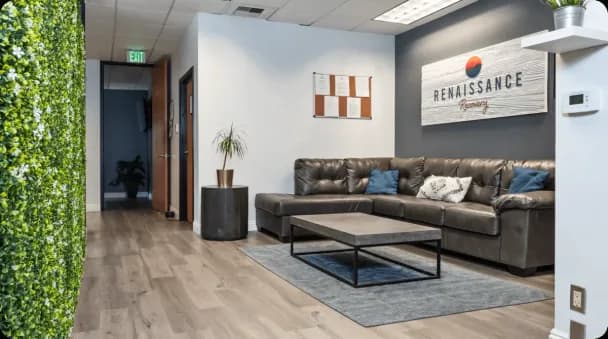
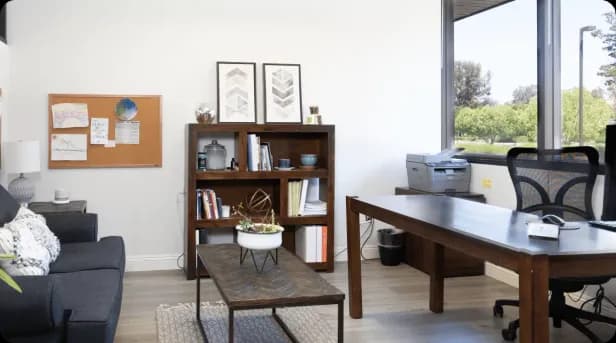
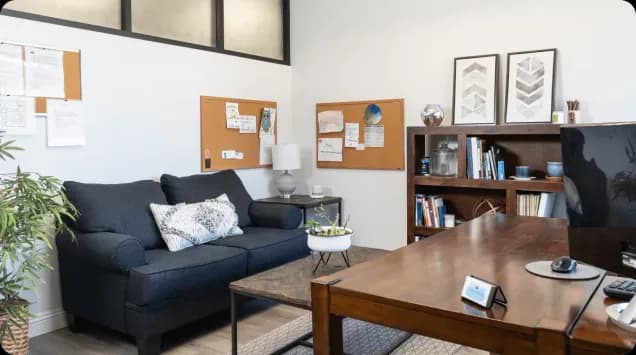
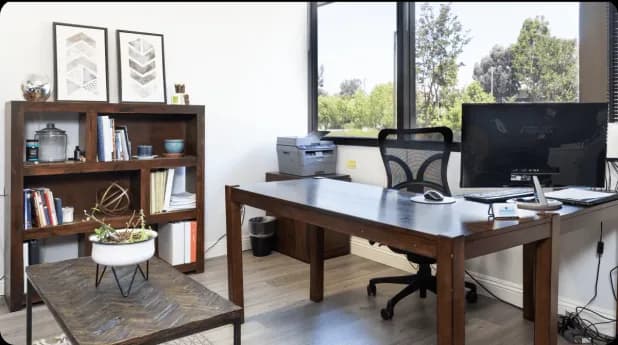
We strive to provide a comfortable, home-like environment during your recovery journey. Browse our facility images below to take a look at our upscale residential facilities.
Whether you’re seeking help for yourself or a loved one, our admissions team is available 24/7 to answer your questions and guide you toward the right care.