District Behavioral Health
  • About

    Who We Are

    Meet The Team
    Meet The TeamOur family is your family. We have brought the absolute best to guide you.
    Tour The Center
    Tour The CenterBright, cozy, and inviting: Our beautifully designed space is open.

    Learn More About Us

    Sober LivingTransition smoothly back into everyday independent life.
    Pet Friendly FacilitiesKeep your supportive animal companion nearby.
    Couples RehabHeal your relationship while finding individual sobriety.
  • Addiction Programs

    What You Need to Know About

    Admission Process
    Admission ProcessLearn what to expect during our simple intake and evaluation steps.
    Drug RehabCompassionate care for substance addiction.
    Alcohol RehabProfessional support for sustainable sobriety.

    Substance Addictions

    Alcohol Addiction
    Opioid Addiction
    Meth Addiction
    Cocaine Addiction
    Marijuana Addiction
    Xanax Addiction
    Fentanyl Addiction

    Each Phase Targets Immediate Needs

    DetoxSafe medical clearance and stabilization.
    Residential InpatientComprehensive, 24-hour structured care.
    Intensive Outpatient ProgramFlexible treatment with therapy sessions.
    Partial HospitalizationIntensive daily treatment while living at home.
    OutpatientContinued group support and therapy.

    Types of Therapy

    Dual Diagnosis
    DBT
    ACT
    MAT
    Motivational Interviewing
    IFS
    CPT

    CBT
    EMDR
    Family Counseling
    Individual Therapy
    Trauma Informed
    Psychodynamic Therapy

    Featured Blogs

    Adderall/How long in your system
    Adderall/How long in your system
    Adderall/Withdrawal (DrugUse Blog National)
    Adderall/Withdrawal (DrugUse Blog National)
    Alcohol/Addiction (DrugUse Blog National)
    Alcohol/Addiction (DrugUse Blog National)
  • Mental Health

    What You Need to Know About

    What is Mental Health Treatment
    What is Mental Health TreatmentSpecialized care for overall emotional wellness.
    PersonalityPervasive, ingrained patterns of thinking, feeling, and behaving.
    TraumaEmotional responses triggered by deeply distressing or painful events.
    AnxietyIntense feelings of worry or fear impacting daily routines.

    Mood

    Depression
    Bipolar Disorder
    Antisocial Personality Disorder

    Psychotic Disorders Treatment

    Schizophrenia
    Schizoaffective Disorder

    Trauma

    PTSD
    Acute Stress Disorder

    Anxiety

    Generalized Anxiety Disorder
    Social Anxiety Disorder
    Panic Disorder
    Obsessive-Compulsive Disorder

    How We Treat Mental Health

    Dual Diagnosis
    DBT
    ACT
    MAT
    Motivational Interviewing
    IFS
    CPT

    CBT
    EMDR
    Family Counseling
    Individual Therapy
    Trauma Informed
    Psychodynamic Therapy
  • Resources

    Self-Assessments

    Bipolar Disorder Test
    DSM-5 for Bipolar Disorder
    PTSD Test
    Anxiety Test
    Addiction Test
    Alcohol Test
    Generalized Anxiety Disorder Test

    Drug Index

    Adderal
    Ativan
    Bath Salts
    Crack Cocaine
    Fentanyl
    Heroin
    Ketamine
    Opioid
    Xanax
  • Blog
District-Behavioral-Health-Group-Big-Logo-Size
  • About

    Who We Are

    Meet The Team
    Meet The TeamOur family is your family. We have brought the absolute best to guide you.
    Tour The Center
    Tour The CenterBright, cozy, and inviting: Our beautifully designed space is open.

    Learn More About Us

    Sober LivingTransition smoothly back into everyday independent life.
    Pet Friendly FacilitiesKeep your supportive animal companion nearby.
    Couples RehabHeal your relationship while finding individual sobriety.
  • Addiction Programs

    What You Need to Know About

    Admission Process
    Admission ProcessLearn what to expect during our simple intake and evaluation steps.
    Drug RehabCompassionate care for substance addiction.
    Alcohol RehabProfessional support for sustainable sobriety.

    Substance Addictions

    Alcohol Addiction
    Opioid Addiction
    Meth Addiction
    Cocaine Addiction
    Marijuana Addiction
    Xanax Addiction
    Fentanyl Addiction

    Each Phase Targets Immediate Needs

    DetoxSafe medical clearance and stabilization.
    Residential InpatientComprehensive, 24-hour structured care.
    Intensive Outpatient ProgramFlexible treatment with therapy sessions.
    Partial HospitalizationIntensive daily treatment while living at home.
    OutpatientContinued group support and therapy.

    Types of Therapy

    Dual Diagnosis
    DBT
    ACT
    MAT
    Motivational Interviewing
    IFS
    CPT

    CBT
    EMDR
    Family Counseling
    Individual Therapy
    Trauma Informed
    Psychodynamic Therapy

    Featured Blogs

    Adderall/How long in your system
    Adderall/How long in your system
    Adderall/Withdrawal (DrugUse Blog National)
    Adderall/Withdrawal (DrugUse Blog National)
    Alcohol/Addiction (DrugUse Blog National)
    Alcohol/Addiction (DrugUse Blog National)
  • Mental Health

    What You Need to Know About

    What is Mental Health Treatment
    What is Mental Health TreatmentSpecialized care for overall emotional wellness.
    PersonalityPervasive, ingrained patterns of thinking, feeling, and behaving.
    TraumaEmotional responses triggered by deeply distressing or painful events.
    AnxietyIntense feelings of worry or fear impacting daily routines.

    Mood

    Depression
    Bipolar Disorder
    Antisocial Personality Disorder

    Psychotic Disorders Treatment

    Schizophrenia
    Schizoaffective Disorder

    Trauma

    PTSD
    Acute Stress Disorder

    Anxiety

    Generalized Anxiety Disorder
    Social Anxiety Disorder
    Panic Disorder
    Obsessive-Compulsive Disorder

    How We Treat Mental Health

    Dual Diagnosis
    DBT
    ACT
    MAT
    Motivational Interviewing
    IFS
    CPT

    CBT
    EMDR
    Family Counseling
    Individual Therapy
    Trauma Informed
    Psychodynamic Therapy
  • Resources

    Self-Assessments

    Bipolar Disorder Test
    DSM-5 for Bipolar Disorder
    PTSD Test
    Anxiety Test
    Addiction Test
    Alcohol Test
    Generalized Anxiety Disorder Test

    Drug Index

    Adderal
    Ativan
    Bath Salts
    Crack Cocaine
    Fentanyl
    Heroin
    Ketamine
    Opioid
    Xanax
  • Blog
888-707-6073
District-Behavioral-Health-Group-Big-Logo-Size
Contact Us
District-Behavioral-Health-Group-Big-Logo-Size
Contact Us
Skip to content
Inpatient Alcohol Rehab Treatment
Outpatient Alcohol Rehab Treatment

Best Sober Living Housing Across the Country (Highly Reviewed & Awarded)

We understand recovery, we can help
  • Personalized, Addiction Treatment Programs for Every Individual
  • Masters-level addiction therapists
  • In network with most major insurances
Call Now! 888-707-6073
Verify Your Insurance
Picture of Written By:
Written By:

Matthew D'Ursov

Picture of Content Manager:
Content Manager:

Amy Leifeste

Picture of Editor:
Editor:

Karena Mathis

Table of Contents

Sober Living Homes for Addiction Recovery

Are you stepping out of treatment and wondering how to hold on to everything you’ve worked so hard to build? Early recovery is one of the most vulnerable phases of the entire journey, and the gap between a structured program and independent living can feel disorienting, isolating, and destabilizing. Sober living exists to bridge that gap, but choosing the right environment matters more than most people realize. Here’s what we hear most:

  • What if I’m not strong enough to stay sober without 24/7 clinical support?

  • Will the people in the house actually support my recovery, or undermine it?

  • What if I struggle with the rules and structure?

  • Can I afford sober living while I’m getting back on my feet?

These are honest, grounded fears, and asking these questions means you understand what’s at stake. You deserve a sober living environment that is accountable, genuinely supportive, and structured enough to protect your recovery without feeling like a cage.

At District Behavioral Health Group, we understand that recovery evolves rather than ending at discharge. Our sober living program provides a peer-supported, clinician-informed environment where residents hold each other accountable and build the practical life skills that sustain long-term sobriety. Structure, community, and dignity coexist to promote long-term recovery.

Read more below.

Get Personalized Addiction Care at The District Behavioral Health

Our behavioral health services support men and women struggling with substance use and co-occurring mental health disorders. District Behavioral Health focuses on providing a comprehensive continuum of care, including personalized outpatient treatment, intensive outpatient (IOP) and partial hospitalization programs (PHP), and coordinated support services designed to help individuals stabilize, develop effective coping skills, and build lasting recovery within their communities.

Call Now! 888-707-6073
Verify Insurance
Tour Our Facilities

Structured Sober Living Programs at District Behavioral Health

Finishing rehab is a significant accomplishment. However, for many, the most challenging phase isn’t detox or inpatient treatment—it is what comes next. Returning to the same environment, stressors, and triggers can feel overwhelming. This is where Sober Living becomes a vital bridge to lasting recovery.

Sober living homes offer a structured, substance-free environment where individuals strengthen their recovery while gradually returning to daily responsibilities. At District Behavioral Health, our programs provide the accountability, peer support, and stability necessary for long-term health, rather than just short-term sobriety.

According to the National Institute on Drug Abuse (NIDA), addiction is a chronic condition requiring long-term management [1]. Transitional recovery housing plays a critical role in this ongoing management.

What Is Sober Living?

Sober living is a form of structured recovery housing for individuals who have completed detox or inpatient rehab but require a supportive environment before returning to independent living. Unlike inpatient centers, these homes focus on real-world integration rather than 24/7 medical care.

Residents Benefit From:

  • A substance-free environment

  • Consistent peer accountability

  • Established house rules and routines

  • Access to ongoing outpatient therapy

Research indicates that individuals who remain in structured recovery housing for extended periods have significantly higher abstinence rates than those who return home immediately [2].

Who Benefits Most from Sober Living?

Sober living is especially helpful for individuals who:

  • Have recently completed inpatient rehab

  • Do not have a stable home environment.

  • Are exposed to triggers at home

  • Need accountability in early recovery.

  • Want continued structure without full-time clinical care

Recovery is strongest when support continues beyond formal treatment. Studies indicate that continued engagement in recovery environments improves long-term sobriety outcomes.[3]

What Is the Difference Between Sober Living and a Halfway House?

While both offer transitional housing, there are important differences.

Halfway houses are often government-funded and may serve individuals transitioning from incarceration. They typically have stricter regulations and limited flexibility.

Sober living homes, on the other hand, are privately operated recovery residences that focus on voluntary participation, peer support, and personal responsibility. Residents choose to be there to strengthen recovery.

Who Should Consider Sober Living After Rehab?

Recovery is strongest when support continues beyond formal treatment. Sober living is especially beneficial for those who:

  • Recently completed an inpatient program.

  • Lacks a stable or supportive home environment.

  • They are frequently exposed to triggers in their local community.

  • Desire a structured community without the intensity of full-time clinical care.

The Substance Abuse and Mental Health Services Administration (SAMHSA) notes that relapse rates for substance use disorders range between 40% and 60% [4]. This underscores the importance of maintaining structure during the vulnerable early months of sobriety.

The Role of Sober Living in Long-Term Recovery

Early sobriety can feel fragile. Even after detox and therapy, individuals may still experience cravings, mood shifts, and emotional challenges.

Long-term recovery isn’t just about stopping substances — it’s about building stability, routine, and resilience.

Why Transitional Living After Rehab Matters

When inpatient treatment ends, daily structure decreases dramatically. Suddenly, individuals must manage stress, work, relationships, and recovery without 24-hour support.

Transitional sober housing maintains:

  • Curfews

  • Drug screenings

  • Mandatory meetings

  • Structured schedules

  • Accountability check-ins

Research on recovery housing shows that residents in structured sober living environments demonstrate improved abstinence rates and employment outcomes compared to those without transitional housing.[5]

What Happens After Inpatient Rehab Ends?

Without continued support, many individuals feel overwhelmed. Cravings may resurface unexpectedly, especially in high-stress situations.

Sober living allows residents to:

  • Continue outpatient therapy

  • Apply relapse prevention tools.

  • Build independence gradually

  • Strengthen emotional regulation

Instead of abrupt independence, sober living offers a steady transition.

Accountability, Structure, and Peer Support

Peer support plays a powerful role in recovery. Living with others who are committed to sobriety creates a shared sense of responsibility.

Studies show that social support significantly increases the likelihood of sustained recovery and reduces the risk of relapse.[6]

In sober living homes, residents encourage one another, share experiences, and build community — reducing isolation, which is a major relapse factor.

What to Expect in a Sober Living Home

Moving into sober living can feel like a big step, but understanding expectations makes it less intimidating.

Daily Structure and Responsibilities

Residents are typically expected to:

  • Remain substance-free

  • Attend recovery meetings

  • Participate in outpatient treatment.

  • Maintain employment or actively seek work.

  • Contribute to household chores

Structure builds routine, and routine builds stability.

What Are the Rules in Sober Living Homes?

Rules may vary slightly, but most sober living homes include:

  • Zero tolerance for drugs or alcohol

  • Curfew requirements

  • Random drug testing

  • Meeting attendance requirements

  • Respectful behavior toward other residents

Clear rules reduce chaos and create consistency — something many individuals lacked during active addiction.

Balancing Work, Therapy, and Recovery

One major advantage of sober living is the ability to rebuild life while staying supported.

Research suggests that employment during recovery is strongly linked to improved long-term sobriety outcomes⁵. Having structure through work or education enhances self-esteem and financial independence.

Sober living supports this balance by providing accountability while encouraging real-world responsibility.

Types of Sober Living Arrangements

Different individuals have different recovery needs.

Men’s and Women’s Sober Living Homes

Gender-specific sober living homes provide focused environments that address gender-related recovery challenges.

These homes allow residents to build supportive peer connections without distractions and often incorporate discussions around trauma, relationships, and identity in recovery.

Sober Living with Outpatient Treatment

Many residents participate in outpatient treatment with sober living. This combination allows continued therapy while living in a structured environment.

This integrated approach reinforces coping skills, progress in behavioral therapy, and relapse prevention planning.

Does Insurance Cover Sober Living?

Insurance coverage varies. While many insurance plans cover outpatient therapy services, sober living housing itself may be partially covered or privately paid.

It’s important to verify benefits directly to understand what services qualify under behavioral health coverage.

Building Stability and Independence

Sober living is not meant to be permanent — it’s a stepping stone toward independent recovery.

Developing Life Skills and Relapse Prevention

Residents work on:

  • Budgeting and financial planning

  • Time management

  • Conflict resolution

  • Stress management

  • Healthy communication

Relapse prevention planning is continuously reinforced. Learning to identify triggers and manage cravings strengthens long-term sobriety.

How Long Should You Stay in Sober Living?

There is no universal timeline. However, research suggests that individuals who remain in sober living for at least 90 days show significantly stronger recovery outcomes.

Many people stay for 3 to 6 months, depending on their personal progress and stability.

What Are the Benefits of Sober Living?

The benefits of sober living include:

  • Reduced relapse risk

  • Structured daily routine

  • Peer accountability

  • Continued therapy access

  • Safe and substance-free housing

  • Improved employment outcomes

Most importantly, sober living builds confidence. It allows individuals to practice recovery skills in a real-world setting while still having support close by.

FAQs

What is sober living?

Sober living is structured recovery housing designed to support individuals transitioning from rehab to independent living.

How long should you stay in sober living?

Most individuals stay for 3 to 6 months, though the length varies depending on progress.

What are the rules in sober living homes?

Rules typically include curfews, drug testing, mandatory meetings, and maintaining employment or participation in therapy.

Does insurance cover sober living?

Coverage varies. Outpatient treatment may be covered, while housing costs may not be fully included.

What is the difference between sober living and a halfway house?

Sober living homes are voluntary, peer-supported residences, while halfway houses are often government-funded and more restrictive.

Who should consider sober living after rehab?

Anyone needing structure, accountability, or a safe environment after treatment can benefit.

Explore Sober Living Options at District Behavioral Health

Recovery does not end when treatment does. Having the right support system in place can make all the difference. District Behavioral Health is a nationwide association of treatment centers that connects clients to world-class care and thriving recovery communities.

Founded by people in recovery, we know that community is the most powerful tool for healing. Whether you are transitioning out of residential care or looking for guidance as you rebuild your life, our team is here to walk with you.

Take the next step toward a fulfilling, sober life. Our admissions team is available 24/7 to help you find the right path forward.

Call Us Today: (561) 919-6792

Sources:

  • https://nida.nih.gov/publications/drugs-brains-behavior-science-addiction/treatment-recovery

  • https://www.ncbi.nlm.nih.gov/pmc/articles/PMC2556949/ 

  • https://www.ncbi.nlm.nih.gov/pmc/articles/PMC3678283/

  • https://www.samhsa.gov

  • https://www.ncbi.nlm.nih.gov/pmc/articles/PMC3860556/

  • https://www.ncbi.nlm.nih.gov/pmc/articles/PMC2910403/ 

Related Blogs

Check out our addiction recovery blog to learn more about substance use disorders and how to get effective treatment.

Testimonials

Stories of Hope and Healing

Read More Success Stories

Thomas daniel

Senior Doctor

The team at Gratitude Lodge truly saved my life. I felt seen, heard, and cared for in every step of my recovery. I’m finally living a life of peace and purpose.

Mathew

Senior Doctor

Watching my loved one thrive after treatment at Alliance Recovery was life-changing. The team’s dedication to her healing was beyond anything I could have imagined.

Treatment Centers & Locations

Renaissance Recovery Nashville, TN

Nashville, TN

SUD | Mental Health

PHP | IOP | OP

Learn More

Renaissance Recovery Orange County, CA

Fountain Valley, CA

SUD | Mental Health

PHP | IOP | OP

Learn More

Renaissance Recovery Palm Beach, FL

Lantana, FL | Lake Worth, FL

SUD | Mental Health

PHP | IOP | OP

Learn More

Gratitude Lodge – Long Beach, CA

Long Beach, CA

SUD

Detox | Inpatient Residential

Learn More

Gratitude Lodge – Orange County, CA

Orange County, CA

SUD

Detox | Inpatient Residential

Learn More

Gratitude Lodge – Newport Beach, CA

Newport Beach, CA

SUD

Detox | Inpatient Residential

Learn More

Gratitude Lodge – Los Angeles, CA

Los Angeles, CA

SUD

Detox | Inpatient Residential

Learn More
california-detox-logo-with-overlay

California Detox – Orange County, CA

Laguna Beach, CA

SUD

Detox | Inpatient Residential

Learn More
connections-mental-health-logo-with-overlay-v1

Connections Mental Health – Orange County, CA

Orange, CA | Tustin, CA | Villa Park, CA

Mental Health

Inpatient Residential

Learn More
alliance-recovery-logo-with-overlay

Alliance Recovery – Los Angeles, CA

Los Angeles, CA | Fountain Valley, CA

SUD | Mental Health

PHP | IOP | OP

Learn More

Where You’ll Be Staying

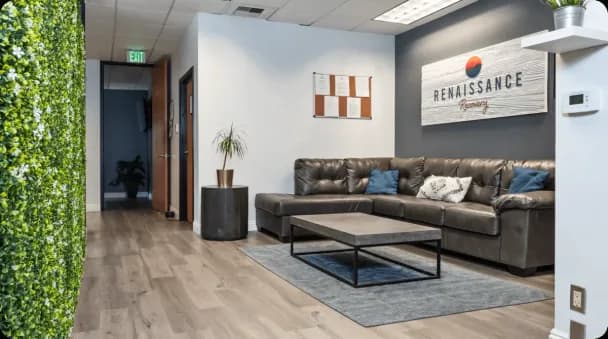
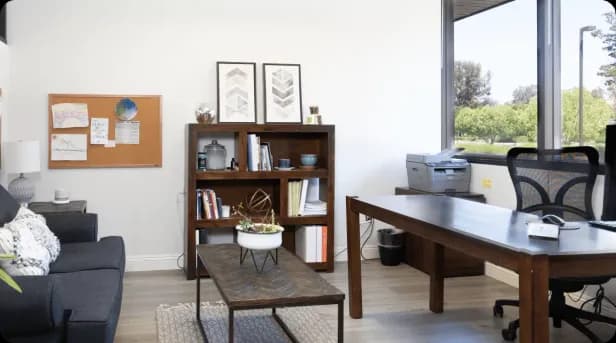
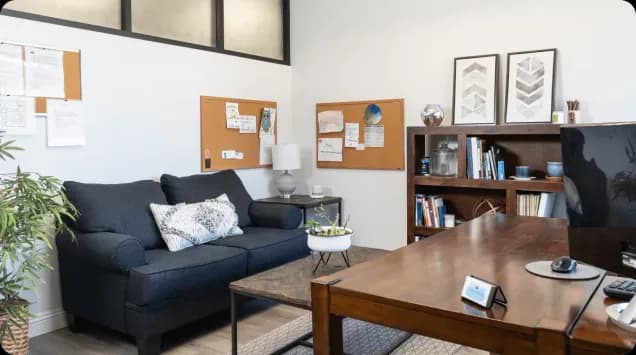
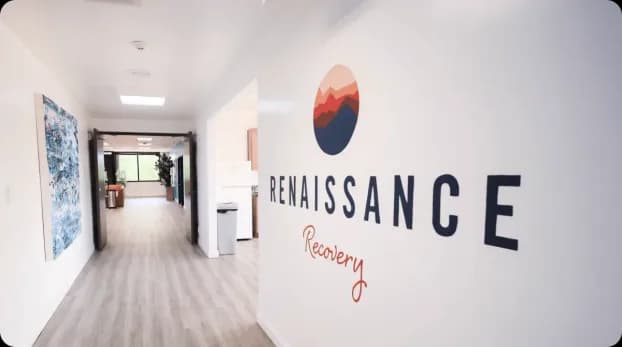
We strive to provide a comfortable, home-like environment during your recovery journey. Browse our facility images below to take a look at our upscale residential facilities.

Tour Our Facilities
rectangle-249-1-68b941b1d65c5.webp
rectangle-250-1-68b941b299489.webp
rectangle-251-1-1-68b941b47d396.webp
rectangle-249-2-68b941b68d605.webp
rectangle-250-2-68b941b9428a8.webp
rectangle-251-2-68b941bad8a4b.webp
Tour Our Facilities

Paying Out Of Pocket without Insurance

Range $5,000 to $60,000

If you can’t pay your co-pay amount

Call us we will work with you

Paying Out Of Pocket with Insurance

Range $0 to $12,000

(Depending on insurance plan)

We Accept Most Major Insurance

View our wide selection of accepted providers. Don’t see yours? Call our admissions team for help.

888-707-6073
Verify Insurance
Call Now! 844-759-0999
Verify Your Insurance
888-707-6073
Verify Your Insurance

Related Pages

ADHD Therapy Across the Country (Highly Reviewed & Awarded)

Premenstrual Dysphoric Disorder Treatment Across the Country (Highly Reviewed & Awarded)

Adjustment Disorder Across the Country (Highly Reviewed & Awarded)

District Behavioral Health | Borderline Personality Disorder Treatment Across the Country (Highly Reviewed & Awarded)

Personality Disorder Treatment Across the Country (Highly Reviewed & Awarded)

Neurodevelopment Disorder Treatment Across the Country (Highly Reviewed & Awarded)

District Behavioral Health | Virtual IOP Rehab Across the Country (Highly Reviewed & Awarded)

Drug Rehab Across the Country (Highly Reviewed & Awarded)

PHP Rehab Across the Country (Highly Reviewed & Awarded)

IOP Rehab Across the Country (Highly Reviewed & Awarded)

District Behavioral Health | Outpatient Rehab Across the Country (Highly Reviewed & Awarded)

LGBTQ Rehab Across the Country (Highly Reviewed & Awarded)

Pet Friendly Rehab Across the Country (Highly Reviewed & Awarded)

Couples Rehab Across the Country (Highly Reviewed & Awarded)

Nitazene Treatment] Across the Country (Highly Reviewed & Awarded)

Ketamine Treatment Across the Country (Highly Reviewed & Awarded)

Best Xanax Rehab Across the Country (Highly Reviewed & Awarded)

Best Benzo Rehab Across the Country (Highly Reviewed & Awarded)

Best Fentanyl Rehab Across the Country (Highly Reviewed & Awarded)

Marijuana Treatment Across the Country (Highly Reviewed & Awarded)

Best Kratom Rehab Across the Country (Highly Reviewed & Awarded)

Best Cocaine Rehab Across the Country (Highly Reviewed & Awarded)

Meth Treatment Across the Country (Highly Reviewed & Awarded)

EMDR Therapy Across the Country (Highly Reviewed & Awarded)

Best DBT Therapy Across the Country (Highly Reviewed & Awarded)

Best CBT Therapy Across the Country (Highly Reviewed & Awarded)

MAT Therapy Across the Country (Highly Reviewed & Awarded)

Best Dual Diagnosis Rehab Across the Country (Highly Reviewed & Awarded)

Psycho Dynamic Therapy Across the Country (Highly Reviewed & Awarded)

Dissociative Identity Disorder Across the Country (Highly Reviewed & Awarded)

Social Anxiety Across the Country (Highly Reviewed & Awarded)

Antisocial Personality Disorder Across the Country (Highly Reviewed & Awarded)

Family Therapy Across the Country (Highly Reviewed & Awarded)

Motivational Interview Across the Country (Highly Reviewed & Awarded)

ACT Therapy Across the Country (Highly Reviewed & Awarded)

IFS Therapy Across the Country (Highly Reviewed & Awarded)

Panic Disorder Treatment Across the Country (Highly Reviewed & Awarded)

Trauma Treatment Across the Country (Highly Reviewed & Awarded)

CPT Therapy Across the Country (Highly Reviewed & Awarded)

Schizophrenia Treatment Across the Country (Highly Reviewed & Awarded)

Schizoaffective Disorder Treatment Across the Country (Highly Reviewed & Awarded)

Depression Treatment Across the Country (Highly Reviewed & Awarded)

Anxiety Treatment Across the Country (Highly Reviewed & Awarded)

PTSD Treatment Across the Country (Highly Reviewed & Awarded)

Bipolar Disorder Across the Country (Highly Reviewed & Awarded)

Obsessive Compulsive Disorder Across the Country (Highly Reviewed & Awarded)

Mental Health Across the Country (Highly Reviewed & Awarded)

Psychosis: Types, Symptoms, & Treatment

Mood Disorders: Symptoms, Diagnosis & Treatment at District Behavioral Health

What Is Paraphrenia: Symptoms, Causes, & Treatment

Escape New York To Our Sober Living Housing Centers Across The County

Tennessee Sober Living Housing (Substance Abuse Treatment & Intervention)

Florida Sober Living Housing (Substance Abuse Treatment & Intervention)

California Sober Living Housing (Substance Abuse Treatment & Intervention)

Nashville Sober Living Housing (Substance Abuse Treatment & Intervention)

Lantana Sober Living Housing (Substance Abuse Treatment & Intervention)

Lake Worth Sober Living Housing (Substance Abuse Treatment & Intervention)

Newport Beach Sober Living Housing (Substance Abuse Treatment & Intervention)

Laguna Beach Sober Living Housing (Substance Abuse Treatment & Intervention)

Huntington Beach Sober Living Housing (Substance Abuse Treatment & Intervention)

Fountain Valley Sober Living Housing (Substance Abuse Treatment & Intervention)

Contact Us

We're Here to Help Day or Night

Whether you’re seeking help for yourself or a loved one, our admissions team is available 24/7 to answer your questions and guide you toward the right care.
The District Behavioral Health Group is a network of trusted, accredited treatment centers helping individuals overcome addiction and mental health challenges.

FacebookInstagramYoutubeLinkedin-inTwitter

Quick Links

  • About
  • Facilities
  • Programs
  • Careers
  • Contact

Proudly Accredited

All rights reserved ® Districtbehavioralhealthgroup.com

  • Privacy Policy