Kratom Addiction Recovery Programs at District Behavioral Health
Kratom use often begins as a way to manage pain, stress, or fatigue, but over time it can quietly interfere with emotional stability, sleep, and daily routines. Many people find themselves increasing doses to feel normal, only to experience withdrawal symptoms such as anxiety, restlessness, or irritability when they try to stop. This cycle can create confusion about whether treatment is necessary and what type of rehab actually works for kratom dependence.
• Kratom use can disrupt mood, sleep, and focus
• Dependence may develop gradually and go unnoticed
• Withdrawal symptoms can make stopping feel overwhelming
• Structured rehab helps restore balance and control
Renaissance Recovery offers Kratom Rehab through the District Behavioral Health network, providing outpatient treatment and support for individuals experiencing kratom dependence alongside other substance use concerns. For individuals whose kratom use is closely tied to anxiety, depression, or emotional regulation rather than addiction alone, kratom-related mental health care is also available through Connections Mental Health, part of the DBH family of programs. These options help ensure the right level of care is matched to your needs.
Kratom rehab helps bring clarity and stability back into daily life. See more about our kratom rehab program below.
Get Personalized Addiction Care at The District Behavioral Health
Our behavioral health services support men and women struggling with substance use and co-occurring mental health disorders. District Behavioral Health focuses on providing a comprehensive continuum of care, including personalized outpatient treatment, intensive outpatient (IOP) and partial hospitalization programs (PHP), and coordinated support services designed to help individuals stabilize, develop effective coping skills, and build lasting recovery within their communities.
Comprehensive Kratom Rehab: Safe Detox and Treatment for Lasting Recovery
Kratom is a plant-derived substance used to boost energy, relieve pain, and alter mood. Many people believe it is a safer alternative to other drugs, which can lead to decreased caution and more frequent use over time. Repeated use conditions the body to anticipate its effects for physical comfort or emotional regulation. Over time, this can develop into persistent cravings that disrupt daily functioning. These symptoms often worsen after prolonged or heavy use, making it hard to stop on one’s own. When work performance or health begins to suffer, seeking treatment through a
Kratom Rehab can provide a structured path to recovery. This guide offers a straightforward overview of kratom addiction treatment, its effects on the brain, the withdrawal process, and the differences between inpatient and outpatient rehab options.
Understanding Kratom and Its Addictive Potential
Kratom comes from the leaves of the tropical Mitragyna speciosa tree, native to Southeast Asia. Its primary compounds are mitragynine and 7-hydroxymitragynine. These bind to opioid receptors in the brain and influence systems involved in pain perception and reward response. At lower doses, it often increases alertness and mildly elevates mood. As intake increases, the effects typically shift toward physical relaxation and reduced pain sensitivity. Which, in turn, makes it popular for recreational use.
In practical terms, the pattern often looks like this:
Lower amounts are associated with stimulation.
Higher amounts are linked to sedation and pain reduction.
Repeated exposure gradually alters stress and reward pathways.
Effects begin quickly but do not last the same length for everyone.
Over time, natural coping capacity can weaken without continued exposure. The onset of effects usually occurs within minutes and may last several hours. But the intensity and duration vary by the metabolism and prior use patterns.
Commercial kratom products differ widely in potency and purity. This creates variability in users’ responses. Often, reports of contamination and inconsistent alkaloid levels can raise concerns. Hence, with questions remaining about its lasting neurological and psychological effects, Kratom has not been approved for medical treatment in many regulatory systems.
Is Kratom Addictive?
Regular kratom use at higher amounts can lead to physical dependence and even withdrawal symptoms when users try to stop the consumption. While Kratom does not have a distinct diagnostic category or label as an addictive substance. However, patterns of compulsive use and withdrawal have often been documented in clinical observation tests. In fact, it is well known in medical circles that repeated exposure causes the brain to adjust to the presence of its active compounds. As this adaptation develops, the same dose produces weaker effects over time. Increasing amounts are often used to reach the previous level of relief or stimulation.
Reported patterns associated with kratom dependence include:
Taking larger amounts than intended
Spending excessive time obtaining or using kratom
Cravings and strong urges to use
Continued use despite physical or psychological harm
Withdrawal symptoms when attempting to stop
These behavioral patterns mirror substance use disorder features and may indicate the need for structured kratom misuse treatment
Why Do People Use Kratom?
Energy enhancement and pain relief are common reasons people start using kratom. Mood changes and attempts to manage opioid withdrawal symptoms are also part of the picture. At low doses, kratom may increase alertness and physical energy in noticeable ways. On the other hand, with higher doses, it can shift toward sedation and reduced pain perception.
Some individuals report using kratom to cope with anxiety, depression, or chronic pain that feels difficult to manage otherwise. Others attempt to use it as a substitute for opioid drugs in order to avoid stronger substances. While the short-term effects may feel helpful at first. Over time, repeated use increases the risk of kratom dependence and withdrawal complications. Without medical supervision, self-directed use can slowly turn into a pattern that becomes harder to control than expected.
Is kratom safe?
Kratom carries safety risks that include possible dependence and negative interactions when it is combined with other substances. Some overdose cases and reported deaths have involved kratom used together with additional drugs or prescription medications. Product variability makes risk harder to measure in real-world use. Differences in purity and alkaloid strength can increase the risk of contamination or difficult-to-predict reactions.
Reported side effects range from nausea and constipation to tremors and increased heart rate. More serious reactions have included hallucinations, seizures, and documented instances of liver injury in certain cases.
Recognizing Kratom Dependence and Withdrawal
What Are the Signs of Kratom Addiction?
Kratom addiction may present as compulsive use, tolerance, and difficulty functioning without the substance. Physical signs may include weight loss, changes in appetite, tremors, and sedation. Behavioral signs may include social withdrawal, neglect of responsibilities, or continued use despite consequences. Psychological symptoms can include irritability, mood instability, or preoccupation with obtaining kratom.
As use progresses, individuals may experience increasing risks and reduced control over intake. These changes often indicate the need for professional Kratom Rehab.
What Are Kratom Withdrawal Symptoms?
Kratom withdrawal symptoms can resemble mild to moderate opioid withdrawal and may include physical and emotional distress.
Reported kratom withdrawal symptoms include:
Anxiety and agitation
Irritability and anger
Tremors or uncontrolled limb movements
Muscle aches and joint pain
Runny nose and watery eyes
Insomnia and fatigue
Nausea, vomiting, and abdominal cramps
Cravings for kratom
Withdrawal severity varies depending on duration and frequency of use. Symptoms may discourage individuals from quitting without support.
How long does kratom withdrawal last?
Kratom withdrawal typically begins within a short period after stopping and may last several days to weeks, depending on individual factors. Acute symptoms often peak within the first week. Residual symptoms such as sleep disturbance or mood instability may persist longer. A structured kratom detox program can reduce discomfort and support stabilization.
The Kratom Rehab Process
Phase 1: Medically Supervised Kratom Detox
Medically supervised kratom detox focuses on managing withdrawal symptoms in a properly controlled setting until they can stabilize. Medical staff evaluate physical health status and patterns of substance use before beginning active monitoring. And mostly ongoing supervision addresses withdrawal symptoms as they appear. There are no FDA-approved medications specifically indicated for kratom withdrawal. Only in certain cases, clinicians may use medications similar to those used in opioid withdrawal management when symptoms require additional control.
Hence, the reason why, a structured detox setting reduces the risk of medical complications and prepares the individual for continued kratom addiction treatment.
What happens during kratom detox?
During kratom detox, the body gradually eliminates the substance from the system. In this stage, the clinical staff monitors safety and symptom progression. Psychological support often begins at this stage to help manage cravings and emotional instability that can intensify early in withdrawal. Once physical stabilization is achieved, the individual transitions into a more structured therapeutic treatment plan. The most notable symptomsthat often need to be managed are nausea, insomnia, anxiety, muscle discomfort, and restlessness as they emerge.
Phase 2: Behavioral Therapy for Kratom Addiction
Behavioral therapy for kratom addiction focuses on the psychological patterns that sustain substance misuse over time. Treatment approaches often include cognitive behavioral therapy, motivational interviewing, and structured supportive counseling. These methods help individuals recognize personal triggers and examine the thought patterns that reinforce continued use. As insight develops, therapy aims to replace maladaptive responses with coping strategies that are more stable and realistic.
Co-occurring mental health conditions are addressed during this phase of care. Anxiety, depressive symptoms, and unresolved trauma frequently influence continued kratom use. When these conditions are treated directly, relapse risk tends to decrease and long-term recovery becomes more sustainable.
Phase 3: Ongoing Recovery and Relapse Prevention
Ongoing recovery focuses on staying off kratom and keeping progress steady over time. Structure and accountability help prevent setbacks from becoming full relapses. For many, relapse prevention planning can be a great help. It can help look at situations that increase risk and prepare realistic ways to handle them. These situations may include stress or contact with people connected to past use.
Often, coping strategies are practiced repeatedly so they feel more natural under pressure. For many individuals, Peer support groups can provide encouragement to reduce the sense of isolation that often shows up in recovery. Also, continued outpatient care offers guidance as life responsibilities return. This ongoing support helps recovery remain stable rather than temporary.
Types of Kratom Rehab Programs
Inpatient Kratom Rehab
Inpatient kratom rehab places the individual in a residential setting where treatment occurs under direct clinical supervision. It is usually recommended when kratom dependence has become severe or when the home environment makes recovery unstable. The structure removes daily distractions. It also reduces exposure to people or places connected to past use. Therapy is more frequent in this setting. Medical oversight remains consistent throughout the stay.
Outpatient Kratom Rehab
Outpatient kratom rehab allows treatment to continue even from home if the patient chooses that path to be comfortable. This option works better when the environment is stable and daily functioning has not yet declined significantly. Program intensity can vary. Some individuals attend several hours a day. Others participate in standard weekly sessions. The goal is continued support without full residential admission.
Partial Hospitalization Programs for Kratom Misuse
Partial hospitalization programs offer structured treatment but do not require overnight residence. However, they often serve only as a middle level between inpatient and outpatient care. Clinical services take place during the day in a supervised setting. Individuals return home at night and repeat the process throughout the week. This format provides intensity without full separation from normal life.
Does insurance cover kratom rehab?
Insurance coverage for kratom rehab depends on the individual provider and the details written into the specific treatment plan. Many behavioral health policies include benefits for substance use disorder treatment, though the level of coverage can vary. However, it should be noted that only some plans cover detox and inpatient services more extensively. The only way to know what is included is to verify benefits directly with the
Medical and Safety Considerations in Kratom Use
Can You Overdose on Kratom?
Overdose from kratom alone seems less common than with traditional opioids. Still, serious reactions have been reported and should not be dismissed. In many of the deaths where kratom showed up in testing, other substances were also present at the same time. That does not remove the risk. High doses on their own can place real strain on the body.
Drug Interactions and Liver Risks?
Kratom is processed through the liver. Meaning for some individuals, it can interfere with medications that use the same metabolic pathways. When that happens, drug levels may rise or fall in ways that are not obvious at first. The exact risk is still being studied. Also this is imperative to note that combining kratom with sedatives or medications that affect serotonin can increase complications. Mixing substances tends to increase uncertainty more than most people realize.
Co-Occurring Mental Health Conditions and Kratom Use
Mental health concerns often sit underneath repeated kratom use. Depression, anxiety, and past trauma can quietly drive self-medication patterns over time. The substance may seem helpful at first. Eventually, it becomes part of the problem. If those underlying conditions are not treated, relapse becomes more likely even after detox. Integrated care during kratom rehab tends to produce steadier outcomes. Treating both the substance use and the mental health component together usually improves long-term stability.
Life After Kratom Rehab
Developing Coping Skills Without Kratom
Developing coping skills without kratom is essential for sustained recovery. These routines create stability during periods of stress. Ongoing care ensures guidance when cravings return. Replacing substance use with more adaptive behaviors gradually strengthens regulation and resilience.
Long-Term Recovery from Kratom Dependence
Lasting recovery from kratom dependence requires steady support rather than short bursts of motivation. Continued therapy keeps patterns visible before they escalate. Similarly, Peer support participation can reinforce an individual’s accountability in a practical, natural way. Lifestyle adjustments often become part of the process. Sleep patterns and relationships may all need attention.
How to quit kratom safely?
Quitting kratom safely starts with a medical evaluation and an honest review of current use patterns. Abrupt cessation without supervision can increase discomfort for many. Hence Gradual stabilization in a monitored setting tends to reduce unnecessary complications. This is where a structured detox program followed by behavioral therapy creates a clearer path forward. Recovery is more stable when physical withdrawal and psychological drivers are addressed together rather than separately.
FAQs
Is kratom addictive?
Kratom can become addictive because it acts on opioid receptors in the brain. With regular use, tolerance may build slowly. Cravings can increase, and kratom dependence may develop. In some cases, this pattern leads individuals to seek Kratom Rehab.
What are kratom withdrawal symptoms?
Kratom withdrawal symptoms often include anxiety, irritability, muscle aches, insomnia, and ongoing cravings. Some people also describe restlessness or mood swings. Severity usually reflects how often and how long kratom was used.
How long does kratom withdrawal last?
The kratom withdrawal timeline can begin shortly after stopping use. Symptoms commonly peak within the first week for many individuals. Physical discomfort may ease after several days, though sleep and mood changes can last longer depending on prior use history.
Do I need Kratom Rehab?
Kratom Rehab may be needed if you keep using it even when it is clearly causing problems. Some people find they cannot stop on their own once withdrawal symptoms begin. Hence, repeated attempts to quit that do not last can also be a sign to get a proper evaluation and help.
Can you overdose on kratom?
When kratom is mixed with other substances, the risk increases with higher amounts or unknown product strength. This is why any symptoms such as breathing difficulty or extreme confusion should be treated as medical emergencies.
Does insurance cover kratom rehab?
Many insurance plans offer behavioral health coverage that may include kratom addiction treatment. The only way to know for sure is to verify directly with the provider.
Get Help for Kratom Dependence and Withdrawal at District Behavioral Health
What many people start using for pain relief or mood support can quickly become a dependency that’s hard to shake — but recovery from kratom addiction is absolutely possible with the right care. District Behavioral Health is a nationwide association of addiction and mental health treatment centers that connects clients to world-class, evidence-based treatment across the country.
For over a decade, we’ve helped individuals across the country overcome substance dependencies and reclaim their lives through comprehensive, personalized programs built around their unique needs. From medically supervised detox and stabilization to Intensive Outpatient Programs and Dual Diagnosis care, our licensed clinicians and therapists use proven therapeutic modalities — including CBT, DBT, and EMDR — to address not just the addiction, but the underlying factors driving it.
Founded by people in recovery, we understand the courage it takes to ask for help, and our compassionate, people-first approach ensures every client is treated with dignity and empathy every step of the way. If you or a loved one is struggling with kratom dependency, call us today at (561) 919-6792 — our admissions team is available 24/7 to guide you toward the care you deserve.
The team at Gratitude Lodge truly saved my life. I felt seen, heard, and cared for in every step of my recovery. I’m finally living a life of peace and purpose.
Mathew
Senior Doctor
Watching my loved one thrive after treatment at Alliance Recovery was life-changing. The team’s dedication to her healing was beyond anything I could have imagined.
Where You’ll Be Staying
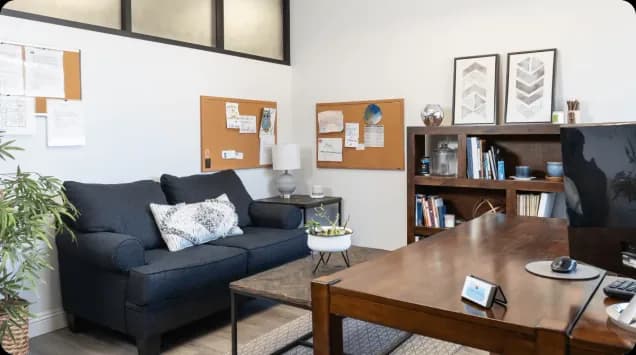
We strive to provide a comfortable, home-like environment during your recovery journey. Browse our facility images below to take a look at our upscale residential facilities.
Whether you’re seeking help for yourself or a loved one, our admissions team is available 24/7 to answer your questions and guide you toward the right care.