District Behavioral Health
  • About

    Who We Are

    Meet The Team
    Meet The TeamOur family is your family. We have brought the absolute best to guide you.
    Tour The Center
    Tour The CenterBright, cozy, and inviting: Our beautifully designed space is open.

    Learn More About Us

    Sober LivingTransition smoothly back into everyday independent life.
    Pet Friendly FacilitiesKeep your supportive animal companion nearby.
    Couples RehabHeal your relationship while finding individual sobriety.
  • Addiction Programs

    What You Need to Know About

    Admission Process
    Admission ProcessLearn what to expect during our simple intake and evaluation steps.
    Drug RehabCompassionate care for substance addiction.
    Alcohol RehabProfessional support for sustainable sobriety.

    Substance Addictions

    Alcohol Addiction
    Opioid Addiction
    Meth Addiction
    Cocaine Addiction
    Marijuana Addiction
    Xanax Addiction
    Fentanyl Addiction

    Each Phase Targets Immediate Needs

    DetoxSafe medical clearance and stabilization.
    Residential InpatientComprehensive, 24-hour structured care.
    Intensive Outpatient ProgramFlexible treatment with therapy sessions.
    Partial HospitalizationIntensive daily treatment while living at home.
    OutpatientContinued group support and therapy.

    Types of Therapy

    Dual Diagnosis
    DBT
    ACT
    MAT
    Motivational Interviewing
    IFS
    CPT

    CBT
    EMDR
    Family Counseling
    Individual Therapy
    Trauma Informed
    Psychodynamic Therapy

    Featured Blogs

    Adderall/How long in your system
    Adderall/How long in your system
    Adderall/Withdrawal (DrugUse Blog National)
    Adderall/Withdrawal (DrugUse Blog National)
    Alcohol/Addiction (DrugUse Blog National)
    Alcohol/Addiction (DrugUse Blog National)
  • Mental Health

    What You Need to Know About

    What is Mental Health Treatment
    What is Mental Health TreatmentSpecialized care for overall emotional wellness.
    PersonalityPervasive, ingrained patterns of thinking, feeling, and behaving.
    TraumaEmotional responses triggered by deeply distressing or painful events.
    AnxietyIntense feelings of worry or fear impacting daily routines.

    Mood

    Depression
    Bipolar Disorder
    Antisocial Personality Disorder

    Psychotic Disorders Treatment

    Schizophrenia
    Schizoaffective Disorder

    Trauma

    PTSD
    Acute Stress Disorder

    Anxiety

    Generalized Anxiety Disorder
    Social Anxiety Disorder
    Panic Disorder
    Obsessive-Compulsive Disorder

    How We Treat Mental Health

    Dual Diagnosis
    DBT
    ACT
    MAT
    Motivational Interviewing
    IFS
    CPT

    CBT
    EMDR
    Family Counseling
    Individual Therapy
    Trauma Informed
    Psychodynamic Therapy
  • Resources

    Self-Assessments

    Bipolar Disorder Test
    DSM-5 for Bipolar Disorder
    PTSD Test
    Anxiety Test
    Addiction Test
    Alcohol Test
    Generalized Anxiety Disorder Test

    Drug Index

    Adderal
    Ativan
    Bath Salts
    Crack Cocaine
    Fentanyl
    Heroin
    Ketamine
    Opioid
    Xanax
  • Blog
District-Behavioral-Health-Group-Big-Logo-Size
  • About

    Who We Are

    Meet The Team
    Meet The TeamOur family is your family. We have brought the absolute best to guide you.
    Tour The Center
    Tour The CenterBright, cozy, and inviting: Our beautifully designed space is open.

    Learn More About Us

    Sober LivingTransition smoothly back into everyday independent life.
    Pet Friendly FacilitiesKeep your supportive animal companion nearby.
    Couples RehabHeal your relationship while finding individual sobriety.
  • Addiction Programs

    What You Need to Know About

    Admission Process
    Admission ProcessLearn what to expect during our simple intake and evaluation steps.
    Drug RehabCompassionate care for substance addiction.
    Alcohol RehabProfessional support for sustainable sobriety.

    Substance Addictions

    Alcohol Addiction
    Opioid Addiction
    Meth Addiction
    Cocaine Addiction
    Marijuana Addiction
    Xanax Addiction
    Fentanyl Addiction

    Each Phase Targets Immediate Needs

    DetoxSafe medical clearance and stabilization.
    Residential InpatientComprehensive, 24-hour structured care.
    Intensive Outpatient ProgramFlexible treatment with therapy sessions.
    Partial HospitalizationIntensive daily treatment while living at home.
    OutpatientContinued group support and therapy.

    Types of Therapy

    Dual Diagnosis
    DBT
    ACT
    MAT
    Motivational Interviewing
    IFS
    CPT

    CBT
    EMDR
    Family Counseling
    Individual Therapy
    Trauma Informed
    Psychodynamic Therapy

    Featured Blogs

    Adderall/How long in your system
    Adderall/How long in your system
    Adderall/Withdrawal (DrugUse Blog National)
    Adderall/Withdrawal (DrugUse Blog National)
    Alcohol/Addiction (DrugUse Blog National)
    Alcohol/Addiction (DrugUse Blog National)
  • Mental Health

    What You Need to Know About

    What is Mental Health Treatment
    What is Mental Health TreatmentSpecialized care for overall emotional wellness.
    PersonalityPervasive, ingrained patterns of thinking, feeling, and behaving.
    TraumaEmotional responses triggered by deeply distressing or painful events.
    AnxietyIntense feelings of worry or fear impacting daily routines.

    Mood

    Depression
    Bipolar Disorder
    Antisocial Personality Disorder

    Psychotic Disorders Treatment

    Schizophrenia
    Schizoaffective Disorder

    Trauma

    PTSD
    Acute Stress Disorder

    Anxiety

    Generalized Anxiety Disorder
    Social Anxiety Disorder
    Panic Disorder
    Obsessive-Compulsive Disorder

    How We Treat Mental Health

    Dual Diagnosis
    DBT
    ACT
    MAT
    Motivational Interviewing
    IFS
    CPT

    CBT
    EMDR
    Family Counseling
    Individual Therapy
    Trauma Informed
    Psychodynamic Therapy
  • Resources

    Self-Assessments

    Bipolar Disorder Test
    DSM-5 for Bipolar Disorder
    PTSD Test
    Anxiety Test
    Addiction Test
    Alcohol Test
    Generalized Anxiety Disorder Test

    Drug Index

    Adderal
    Ativan
    Bath Salts
    Crack Cocaine
    Fentanyl
    Heroin
    Ketamine
    Opioid
    Xanax
  • Blog
888-707-6073
District-Behavioral-Health-Group-Big-Logo-Size
Contact Us
District-Behavioral-Health-Group-Big-Logo-Size
Contact Us
Skip to content
Inpatient Alcohol Rehab Treatment
Outpatient Alcohol Rehab Treatment

IOP Rehab Across the Country (Highly Reviewed & Awarded)

We understand recovery, we can help
  • Personalized, Addiction Treatment Programs for Every Individual
  • Masters-level addiction therapists
  • In network with most major insurances
Call Now! 888-707-6073
Verify Your Insurance
Picture of Written By:
Written By:

Matthew D'Ursov

Picture of Content Manager:
Content Manager:

Amy Leifeste

Picture of Editor:
Editor:

Karena Mathis

Table of Contents

Intensive Outpatient Program (IOP) for Addiction Recovery

Is an intensive outpatient program the bridge you’ve been looking for between full-time treatment and everyday life? Recovery is rarely linear, and an IOP exists precisely for the space in between, but finding one that provides real clinical depth while honoring your daily responsibilities is harder than it sounds. Struggling with persistent cravings, emotional dysregulation, and the weight of rebuilding routines is common at this stage. We know the hesitations that can hold people back from taking the next step:

  • What if the program isn’t intensive enough to make a real difference?

  • Will I be able to keep up with work, family, or school while in treatment?

  • What if I’ve already tried something like this and it didn’t stick?

  • Can I realistically afford ongoing structured care?

These are all legitimate concerns that demand honest answers. You deserve an IOP that is structured, therapeutically sustainable, and built around your specific stage of recovery, not a generic step-down that checks a box.

At District Behavioral Health Group, our intensive outpatient program is designed for people who are serious about sustained recovery and need a program that matches that seriousness. With multiple weekly sessions, licensed clinical staff, and individualized care planning, we provide the intensity your recovery requires on a schedule that doesn’t force you to choose between healing and living.

Read more below.

Get Personalized Addiction Care at The District Behavioral Health

Our behavioral health services support men and women struggling with substance use and co-occurring mental health disorders. District Behavioral Health focuses on providing a comprehensive continuum of care, including personalized outpatient treatment, intensive outpatient (IOP) and partial hospitalization programs (PHP), and coordinated support services designed to help individuals stabilize, develop effective coping skills, and build lasting recovery within their communities.

Call Now! 888-707-6073
Verify Insurance
Tour Our Facilities

Intensive Outpatient Program (IOP) 

Finding an Intensive Outpatient Program (IOP) nearby can be a big step toward recovery. Many people prefer IOPs because they allow them to receive structured treatment while continuing daily responsibilities like work, school, or family care. 

Having an IOP close to home makes it easier to attend sessions regularly and stay consistent with treatment. Local programs also connect you with community resources and support groups that can strengthen recovery. If you are searching for options, knowing what an IOP involves can help you make the right choice.

What is an Intensive Outpatient Program (IOP)?

Inpatient Intensive Outpatient Program (IOP) is a structured form of addiction and mental health treatment that provides professional services without requiring overnight stays [1]. It is a middle ground between inpatient treatment and outpatient counseling, where the needs are intensively supported while retaining independence. 

IOPs are particularly designed for persons who need more than weekly therapy sessions and have no regular resident monitoring for hours throughout the day or week. Each week, this consists of one to two therapy sessions that focus on skill development, relapse prevention, and emotional support. The balance of this is a flexible yet effective remedy for recoveryists who are working hard to recover while maintaining a balance between work, school, and family life.

Key Features of Outpatient Care

Outpatient care is characterized by flexibility but is still highly evidence-based. The focus of treatment, education, and relapse prevention is on therapy, education, and support for prevention. Examples are some common features:

  • Regular group therapy for peer support.

  • Individual counseling for personalized care

  • Family sessions to strengthen home support systems

  • Education on coping skills and relapse prevention

Benefits of Structured Flexibility

One of the main advantages of IOPs is the balance they provide between treatment and daily life. This structure enables patients to recover while maintaining their everyday responsibilities.

  • Patients can continue working or studying.

  • Programs can be tailored to meet individual needs.

  • Support systems remain intact at home.

  • Offers independence while still providing guidance

What is the Difference Between an Intensive Outpatient Program (IOP) and Inpatient Treatment?

For the right choice, it is essential to understand the difference between a patient’s IOP and the IOP. Inpatient care requires 24-hour supervision and medical assistance in a treatment facility, as well as a full-time stay at a facility that provides 24-hour care [2]. 

On the other hand, IOPs are part-time programs that offer structure and therapy without overnight stays. If the disease or the circumstances are severe and/or you can’t afford to have the surgery, the choice is yours.

Cost Differences Between Programs

Cost is another factor that separates inpatient and outpatient programs. Inpatient treatment tends to be more expensive because it includes housing, meals, and around-the-clock care. IOPs are usually more affordable while still offering effective treatment.

  • Inpatient: Higher cost due to facility stay

  • IOP: Lower cost, often covered by insurance

Many families choose IOP as a cost-effective yet structured option.

What to Expect in an IOP

An IOP is an integrated process of therapy, education, and recovery-focused activities that help people stay on track with their healing. Each week, the patients are referred to multiple sessions, including individual counseling, group therapy, and educational workshops. These programs aim to strengthen resilient coping skills and promote self-growth during recovery, thereby helping to mitigate relapse. 

Some sessions involve family members, who can also participate in ways that help connect and bring the home closer together. This combination of professional guidance, peer support, and family involvement ensures that patients are not only supported throughout treatment but also equipped for long-term success.

Family Involvement and Education

Family plays a huge role in recovery. Many IOPs include family therapy or educational seminars that teach family members how to respond to recovery.

  • Families learn how addiction affects behaviors.

  • Sessions help rebuild trust and communication.

  • Education provides tools to create a supportive home environment.

How Long Does Intensive Outpatient Treatment Last?

The length of an IOP may vary depending on individual progress and the severity of the disease. Most programs last between 8 and 12 weeks, during which time patients typically use the opportunity to build up coping skills and improve their lifestyle. However, some patients may require longer treatment, especially if they need additional support and are experiencing complex problems. 

As recovery progresses, the number of sessions per week may gradually decrease, allowing patients to transition to a less intensive schedule while still maintaining connection to care. The focus is always on long-term stability and recovery rather than sticking to a strict timeline. This flexible approach ensures that treatment is tailored to individual needs, helping patients achieve sustainable results.

Short-Term vs. Long-Term IOPs

Some IOPs are short-term and stabilization-oriented, while others are long-term and offer ongoing support.

  • Short-term: Focused on immediate recovery needs

  • Long-term: Provides ongoing structure and relapse prevention

The right choice depends on personal maturity and long-term objectives.

IOP Treatment Schedule

A schedule for IOP is designed to be flexible yet still provide the structure required for recovery. The majority of programs run several sessions per week, typically lasting two or four hours each. This means that patients are supported without interruption of essential tasks such as work, school, or family care. It is worth noting that the programs often offer morning and evening options to accommodate different lifestyles. 

Additionally, patients can participate in their treatment team by selecting schedules that best align with their own expectations. The balance is made possible with IOPs, allowing people to maintain their sobriety, treat themselves, and live life with dignity.

Morning vs. Evening Program Options

Additionally, IOPs can utilize different session times tailored to individual needs to track treatment progress effectively. Some programs provide morning meetings for those who work in the evening. In contrast, others offer morning meetings for working or family members who are on a work/family break. Some programs also provide evening meetings for workers or students. Thus, treatment is not disruptive or complicated to everyday life, allowing patients to choose the option that best supports their recovery.

  • Morning programs: Best for those with evening responsibilities

  • Evening programs: Ideal for working professionals or students

  • Flexibility: Flexibility enables treatment to minimize interference with everyday life.

Weekend and Flexible Scheduling

  • The weekends are another option for busy weekdays.

  • Saturday or Sunday sessions make attendance easier.

  • Helps people adjust to work, school, and family.

  • Increases reliability in recovery without jeopardizing obligations.

Is an Intensive Outpatient Program Right for Me?

There are situations where an individual’s need for an IOP differs depending on their unique circumstances, willingness to recover, and overall lifestyle needs. In addition, they are designed for individuals who require more support in outpatient care than the equivalent of outpatient treatment can provide, but not necessarily inpatient care [3]. If you want to recover, if you want to be organized and have structured guidance that doesn’t take your whole life, then an IOP could be a great choice. 

One of the most significant advantages is that you are still working, schooling, or providing professional care while not actually receiving professional help. IOPs are versatile and make them available to many who otherwise would delay treatment. The best way to ensure the program is suitable for you is to consult with a healthcare provider who can guide you to the most appropriate option.

Personal Readiness for Structured Care

If you want an IOP but want to start healing slowly, a few days might be right for you. This type of program is also ideal for individuals who do not require 24-hour medical oversight but desire consistent, structured care. If you have stable home lives and are determined to attend regularly, an IOP provides the appropriate support and independence you need.

  • Are motivated to recover but want flexibility

  • Do not need 24/7 medical supervision.

  • Have a stable home environment.

  • Are you ready to commit to regular sessions?

Long-Term Benefits of Choosing an IOP

An IOP provides immediate support while also equipping individuals with the tools needed to succeed over a long period of time. The structured therapy sessions focus on developing coping strategies, preventing relapse, and establishing healthier habits that last long after the program. By combining professional guidance with real-world practice, IOPs provide patients with the confidence to maintain sobriety and manage challenges independently.

  • Encourages accountability and independence

  • Strengthens coping strategies for real-life situations

  • Provides ongoing access to peer and family support

  • Helps maintain sobriety while living a daily life.

Get Treatment for Addiction and Mental Health at District Behavioral Health

At District Behavioral Health Group, we provide comprehensive, evidence-based care through Intensive Outpatient Programs (IOP) and other structured treatment options. Our nationwide recovery group ensures a connected journey, providing professional support while you continue with your daily responsibilities, such as work, school, or family care.

Our comprehensive programming includes:

  • Intensive Outpatient Programs (IOP): Flexible, part-time therapy with group, individual, and family sessions to build coping skills and prevent relapse.

  • Medication-Assisted Detox: Medically supervised detox with FDA-approved medications when needed.

  • Inpatient & Residential Programs: 24/7 live-in care for individuals requiring intensive supervision and structured routines.

  • Partial Hospitalization Programs (PHP): Full-day treatment without overnight stays, offering focused therapy and support.

  • Outpatient Programs (OP): Ongoing, flexible sessions to maintain progress while living independently.

To learn more about our IOPs and recovery programs, call our caring team today at (888) 707-6073.

Sources:

[1] https://www.ncbi.nlm.nih.gov/books/NBK64102/

[2] https://pmc.ncbi.nlm.nih.gov/articles/PMC4152944/

[3] https://www.ncbi.nlm.nih.gov/books/NBK64087/

Related Blogs

Check out our addiction recovery blog to learn more about substance use disorders and how to get effective treatment.

Testimonials

Stories of Hope and Healing

Read More Success Stories

Thomas daniel

Senior Doctor

The team at Gratitude Lodge truly saved my life. I felt seen, heard, and cared for in every step of my recovery. I’m finally living a life of peace and purpose.

Mathew

Senior Doctor

Watching my loved one thrive after treatment at Alliance Recovery was life-changing. The team’s dedication to her healing was beyond anything I could have imagined.

Treatment Centers & Locations

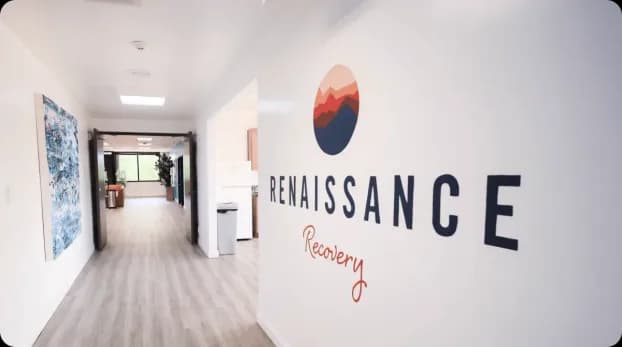
Renaissance Recovery Nashville, TN

Nashville, TN

SUD | Mental Health

PHP | IOP | OP

Learn More

Renaissance Recovery Orange County, CA

Fountain Valley, CA

SUD | Mental Health

PHP | IOP | OP

Learn More

Renaissance Recovery Palm Beach, FL

Lantana, FL | Lake Worth, FL

SUD | Mental Health

PHP | IOP | OP

Learn More

Gratitude Lodge – Long Beach, CA

Long Beach, CA

SUD

Detox | Inpatient Residential

Learn More

Gratitude Lodge – Orange County, CA

Orange County, CA

SUD

Detox | Inpatient Residential

Learn More

Gratitude Lodge – Newport Beach, CA

Newport Beach, CA

SUD

Detox | Inpatient Residential

Learn More

Gratitude Lodge – Los Angeles, CA

Los Angeles, CA

SUD

Detox | Inpatient Residential

Learn More
california-detox-logo-with-overlay

California Detox – Orange County, CA

Laguna Beach, CA

SUD

Detox | Inpatient Residential

Learn More
connections-mental-health-logo-with-overlay-v1

Connections Mental Health – Orange County, CA

Orange, CA | Tustin, CA | Villa Park, CA

Mental Health

Inpatient Residential

Learn More
alliance-recovery-logo-with-overlay

Alliance Recovery – Los Angeles, CA

Los Angeles, CA | Fountain Valley, CA

SUD | Mental Health

PHP | IOP | OP

Learn More

Where You’ll Be Staying

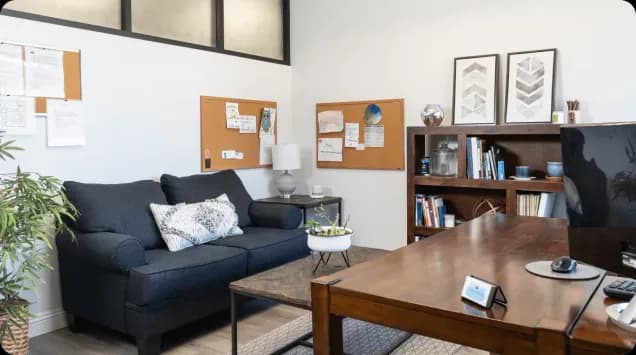
We strive to provide a comfortable, home-like environment during your recovery journey. Browse our facility images below to take a look at our upscale residential facilities.

Tour Our Facilities
rectangle-249-1-68b941b1d65c5.webp
rectangle-250-1-68b941b299489.webp
rectangle-251-1-1-68b941b47d396.webp
rectangle-249-2-68b941b68d605.webp
rectangle-250-2-68b941b9428a8.webp
rectangle-251-2-68b941bad8a4b.webp
Tour Our Facilities

Paying Out Of Pocket without Insurance

Range $5,000 to $60,000

If you can’t pay your co-pay amount

Call us we will work with you

Paying Out Of Pocket with Insurance

Range $0 to $12,000

(Depending on insurance plan)

We Accept Most Major Insurance

View our wide selection of accepted providers. Don’t see yours? Call our admissions team for help.

888-707-6073
Verify Insurance
Call Now! 844-759-0999
Verify Your Insurance
888-707-6073
Verify Your Insurance

Related Pages

ADHD Therapy Across the Country (Highly Reviewed & Awarded)

Premenstrual Dysphoric Disorder Treatment Across the Country (Highly Reviewed & Awarded)

Adjustment Disorder Across the Country (Highly Reviewed & Awarded)

District Behavioral Health | Borderline Personality Disorder Treatment Across the Country (Highly Reviewed & Awarded)

Personality Disorder Treatment Across the Country (Highly Reviewed & Awarded)

Neurodevelopment Disorder Treatment Across the Country (Highly Reviewed & Awarded)

District Behavioral Health | Virtual IOP Rehab Across the Country (Highly Reviewed & Awarded)

Best Sober Living Housing Across the Country (Highly Reviewed & Awarded)

Drug Rehab Across the Country (Highly Reviewed & Awarded)

PHP Rehab Across the Country (Highly Reviewed & Awarded)

District Behavioral Health | Outpatient Rehab Across the Country (Highly Reviewed & Awarded)

LGBTQ Rehab Across the Country (Highly Reviewed & Awarded)

Pet Friendly Rehab Across the Country (Highly Reviewed & Awarded)

Couples Rehab Across the Country (Highly Reviewed & Awarded)

Nitazene Treatment] Across the Country (Highly Reviewed & Awarded)

Ketamine Treatment Across the Country (Highly Reviewed & Awarded)

Best Xanax Rehab Across the Country (Highly Reviewed & Awarded)

Best Benzo Rehab Across the Country (Highly Reviewed & Awarded)

Best Fentanyl Rehab Across the Country (Highly Reviewed & Awarded)

Marijuana Treatment Across the Country (Highly Reviewed & Awarded)

Best Kratom Rehab Across the Country (Highly Reviewed & Awarded)

Best Cocaine Rehab Across the Country (Highly Reviewed & Awarded)

Meth Treatment Across the Country (Highly Reviewed & Awarded)

EMDR Therapy Across the Country (Highly Reviewed & Awarded)

Best DBT Therapy Across the Country (Highly Reviewed & Awarded)

Best CBT Therapy Across the Country (Highly Reviewed & Awarded)

MAT Therapy Across the Country (Highly Reviewed & Awarded)

Best Dual Diagnosis Rehab Across the Country (Highly Reviewed & Awarded)

Psycho Dynamic Therapy Across the Country (Highly Reviewed & Awarded)

Dissociative Identity Disorder Across the Country (Highly Reviewed & Awarded)

Social Anxiety Across the Country (Highly Reviewed & Awarded)

Antisocial Personality Disorder Across the Country (Highly Reviewed & Awarded)

Family Therapy Across the Country (Highly Reviewed & Awarded)

Motivational Interview Across the Country (Highly Reviewed & Awarded)

ACT Therapy Across the Country (Highly Reviewed & Awarded)

IFS Therapy Across the Country (Highly Reviewed & Awarded)

Panic Disorder Treatment Across the Country (Highly Reviewed & Awarded)

Trauma Treatment Across the Country (Highly Reviewed & Awarded)

CPT Therapy Across the Country (Highly Reviewed & Awarded)

Schizophrenia Treatment Across the Country (Highly Reviewed & Awarded)

Schizoaffective Disorder Treatment Across the Country (Highly Reviewed & Awarded)

Depression Treatment Across the Country (Highly Reviewed & Awarded)

Anxiety Treatment Across the Country (Highly Reviewed & Awarded)

PTSD Treatment Across the Country (Highly Reviewed & Awarded)

Bipolar Disorder Across the Country (Highly Reviewed & Awarded)

Obsessive Compulsive Disorder Across the Country (Highly Reviewed & Awarded)

Mental Health Across the Country (Highly Reviewed & Awarded)

Psychosis: Types, Symptoms, & Treatment

Mood Disorders: Symptoms, Diagnosis & Treatment at District Behavioral Health

What Is Paraphrenia: Symptoms, Causes, & Treatment

Escape New York To Our IOP Rehab Centers Across The County

Tennessee IOP Rehab (Substance Abuse Treatment & Intervention)

Florida IOP Rehab (Substance Abuse Treatment & Intervention)

California IOP Rehab (Substance Abuse Treatment & Intervention)

Nashville IOP Rehab (Substance Abuse Treatment & Intervention)

Lantana IOP Rehab (Substance Abuse Treatment & Intervention)

Lake Worth IOP Rehab (Substance Abuse Treatment & Intervention)

Newport Beach IOP Rehab (Substance Abuse Treatment & Intervention)

Laguna Beach IOP Rehab (Substance Abuse Treatment & Intervention)

Huntington Beach IOP Rehab (Substance Abuse Treatment & Intervention)

Fountain Valley IOP Rehab (Substance Abuse Treatment & Intervention)

Intensive Outpatient Program: What is IOP

Contact Us

We're Here to Help Day or Night

Whether you’re seeking help for yourself or a loved one, our admissions team is available 24/7 to answer your questions and guide you toward the right care.

The District Behavioral Health Group is a network of trusted, accredited treatment centers helping individuals overcome addiction and mental health challenges.

FacebookInstagramYoutubeLinkedin-inTwitter

Quick Links

  • About
  • Facilities
  • Programs
  • Careers
  • Contact

Proudly Accredited

All rights reserved ® Districtbehavioralhealthgroup.com

  • Privacy Policy