Meth Rehab Programs at Renaissance Recovery Designed to Support Stabilization and Long-Term Recovery
People seeking meth rehab are often facing extreme physical exhaustion, emotional instability, and repeated cycles of relapse that feel impossible to escape. Many are overwhelmed by cravings, mental health symptoms, and the damage meth use has caused to relationships, work, and daily functioning.
Intense cravings and compulsive drug-seeking behaviors
Severe emotional swings, paranoia, or anxiety
Difficulty maintaining stability without structured care
A need for focused, evidence-based addiction treatment
Meth rehab programs provide structured, clinically guided care designed to stabilize both the body and mind while addressing the root causes of addiction. Treatment includes therapeutic support, relapse-prevention planning, and ongoing clinical oversight.
This comprehensive approach helps individuals regain clarity, rebuild health, and establish a sustainable foundation for long-term recovery.
Learn more about meth rehab programs available through Renaissance Recovery and take the first step toward lasting change.
Get Personalized Addiction Care at The District Behavioral Health
Our behavioral health services support men and women struggling with substance use and co-occurring mental health disorders. District Behavioral Health focuses on providing a comprehensive continuum of care, including personalized outpatient treatment, intensive outpatient (IOP) and partial hospitalization programs (PHP), and coordinated support services designed to help individuals stabilize, develop effective coping skills, and build lasting recovery within their communities.
Meth Addiction Treatment Program at District Behavioral Health
Methamphetamine addiction is one of the most dangerous substance use disorders in the U.S., and effective meth addiction treatment is essential for recovery. District Behavioral Health offers structured, evidence-based care to help individuals manage symptoms of meth use, undergo safe detox, and rebuild healthier lives. This article explains how treatment works, why it matters, and what options are available for long-term recovery.
Is Meth Addictive?
Yes, meth is extremely addictive, affecting both the body and the mind in powerful ways. Methamphetamine directly targets the brain’s dopamine system, creating a surge of euphoria, heightened energy, and increased focus. With repeated use, these intense effects change normal brain function, making it harder for individuals to experience pleasure naturally. This powerful reinforcement drives compulsive use, which quickly develops into dependence and long-term addiction. [1]
It increases alertness, energy, and feelings of confidence; however, repeated use can damage brain cells and impair memory function.
The signs of meth use include weight loss, tooth decay, skin sores, and erratic behavior. Meth before and after comparisons show a rapid decline in health.
According to the DEA, crystal meth symptoms may include agitation, paranoia, and hallucinations, which often worsen with prolonged use.
Because of these effects, meth users can become dependent quickly. The compulsive drug-seeking behavior explains why signs of meth addiction are severe and long-lasting.
How Do You Treat Meth Addiction?
Meth addiction is treated through a combination of behavioral therapies, structured recovery programs, and strong support systems designed to help individuals rebuild their lives. Although there are currently no FDA-approved medications for methamphetamine addiction, therapy-based approaches such as cognitive behavioral therapy (CBT) and contingency management have shown strong effectiveness. These treatments focus on addressing the psychological aspects of addiction, reducing cravings, and supporting long-term recovery. [2]
Why Treat Meth Addiction?
Treating meth addiction is vital because the drug causes severe and lasting harm to both the brain and body. Without proper treatment, individuals face escalating risks such as irreversible health problems, cognitive decline, and life-threatening complications, making early intervention and recovery support essential.
Cardiovascular problems
Memory loss and cognitive decline
Anxiety, depression, and psychosis
Higher chances of stroke and seizures
Treatment is also necessary because meth heads or meth users often experience dangerous withdrawal symptoms when they stop using. [3]
Contingency Management (CM): Provides positive reinforcement for staying drug-free.
Inpatient and outpatient rehab for meth: Structured programs where patients receive 24/7 medical and psychological support.
Peer and family therapy: Helps build long-term recovery support.
Ultimately, treatment for meth addiction combines counseling, medical monitoring, and relapse prevention planning.
Medical Detox for Methamphetamine Addiction
Medical detox for methamphetamine addiction is often the essential first stage of treatment, offering a safe and medically supervised setting for individuals to stop drug use. During this process, trained professionals closely monitor withdrawal symptoms such as fatigue, anxiety, or depression, while providing supportive care to ease discomfort.
Detox not only helps stabilize the body but also prepares individuals for further rehabilitation, making it a crucial foundation for lasting recovery. [4]
Symptoms During Detox
Common meth symptoms during withdrawal include:
Fatigue and extreme sleepiness
Depression and anxiety
Increased appetite
Strong drug cravings
Irritability and paranoia
These are the symptoms of meth use withdrawal, which can last for days or weeks, depending on the severity of the addiction. Medical detox helps individuals stabilize before entering a full rehab program.
Are Medications Used for Meth Detox?
Currently, no medications are available for meth detox, but some options may reduce withdrawal symptoms. Research shows that antidepressants, antipsychotics, and certain stimulants may help ease cravings or mood swings during detox.
Medical teams may also provide:
Sleep aids for insomnia
Anti-anxiety medications for agitation
Nutritional support to restore health damaged by meth use
Detox is usually followed by structured therapy in meth addiction treatment centers to ensure lasting recovery. [5]
Types of Treatment for Meth Addiction
Treatment for methamphetamine addiction primarily revolves around behavioral therapies and supportive recovery programs. Since there are currently no FDA-approved medications specifically designed to treat meth addiction, the focus remains on addressing the psychological and behavioral aspects of dependence.
These programs help individuals identify triggers, develop healthier coping strategies, and make lasting changes in their daily habits. Combined with counseling and peer support, this approach significantly improves the chances of successful recovery from meth addiction.
Behavioral Therapies: Cognitive Behavioral Therapy (CBT), contingency management, and motivational interviewing are among the most effective approaches. These therapies help individuals recognize triggers, develop better decision-making, and reduce relapse.
Supportive Programs: Residential treatment centers, outpatient care, and peer support groups create structured environments for meth users. These programs reinforce accountability, reduce access to drugs, and promote long-term recovery.
While treatment can be challenging, research shows that consistent participation in these therapies can significantly improve outcomes for people struggling with meth addiction.
How to Know if You or a Loved One Needs Treatment for Meth Use
Recognizing when you or a loved one may need treatment for methamphetamine use is crucial for timely intervention. Signs of meth use often show up in both behavior and physical appearance, including changes in mood, sleep patterns, and social interactions.
Early identification of these symptoms allows individuals to seek professional help before the addiction worsens, reducing the risk of long-term health issues and supporting a safer path toward recovery.
Physical Signs of Meth Use: Extreme weight loss, dental problems (“meth mouth”), skin sores, and an overall unhealthy appearance.
Behavioral Symptoms of Meth Use: Anxiety, paranoia, aggression, and unpredictable mood swings.
Cognitive and Emotional Symptoms: Memory problems, confusion, and difficulty sleeping.
If someone shows multiple symptoms of meth use or exhibits patterns consistent with meth addiction, professional treatment is often necessary. Families should also be aware of the signs of crystal methamphetamine use, as these are strong indicators of a growing dependency.
Short-Term Health Effects and Risks of Meth Use
The short-term health effects of methamphetamine use can emerge within minutes of ingestion and pose significant dangers to the body and brain. Meth triggers a rapid release of dopamine, producing an intense euphoric high and heightened energy. However, this temporary surge is accompanied by serious risks, including increased heart rate, elevated blood pressure, anxiety, paranoia, and potential for risky behaviors, all of which can have immediate and harmful consequences.
Increased heart rate and blood pressure
Elevated body temperature
Loss of appetite
Erratic or violent behavior
Intense wakefulness and insomnia
While the high may seem appealing to some, the short-term symptoms of meth use often escalate into harmful physical and mental consequences. Over time, even occasional use can lead to dependence and meth addiction.
Methamphetamine Overdose
Methamphetamine overdose happens when the body is overwhelmed by the toxic effects of the drug, which can strain the heart, brain, and other vital systems. This condition is extremely dangerous and can quickly become life-threatening if not addressed promptly. Symptoms may include rapid heart rate, high blood pressure, hyperthermia, seizures, and severe agitation. Immediate medical attention is essential to prevent permanent damage or death.
Symptoms of a meth overdose include:
Severe chest pain and irregular heartbeat
Extremely high body temperature (hyperthermia)
Seizures or convulsions
Difficulty breathing
Loss of consciousness [6]
Because meth is a powerful stimulant, an overdose can cause organ failure, stroke, or death. The unpredictable potency of meth purchased illegally increases the risk, as users often do not know the drug’s strength. In many cases, overdoses are linked to meth being mixed with other dangerous substances.
Long-Term Effects and Risks of Meth Use
Long-term methamphetamine use can result in severe and often lasting health consequences that extend far beyond the immediate effects of the drug. Chronic use damages the brain, heart, and other vital organs, impairs cognitive function, and increases the risk of mental health disorders such as anxiety, depression, and psychosis.
These persistent health issues highlight why early intervention and comprehensive meth addiction treatment are crucial for long-term recovery and overall well-being. [7]
Neurological Damage: Chronic meth use alters brain function, impairing memory, judgment, and emotional regulation. Studies show significant changes in brain areas tied to decision-making and impulse control.
Physical Health Decline: Meth heads (a slang term for people addicted to meth) often suffer from malnutrition, severe dental decay, and visible physical deterioration.
Mental Health Disorders: Long-term use is linked to psychosis, hallucinations, paranoia, and anxiety. Many meth users report seeing or hearing things that are not real.
Social and Lifestyle Consequences: Meth addicts often lose employment, experience financial instability, and face damaged relationships due to the destructive effects of addiction.
Recovery is possible, but the long-term effects highlight the urgency of seeking meth addiction treatment before permanent damage occurs.
Meth Addiction Statistics
Meth addiction statistics reveal a deeply troubling public health issue in the United States. Recent reports from government agencies and research studies show a sharp rise in meth use, overdose cases, and hospital admissions. Meth-related deaths have also significantly increased over the past decade. These alarming numbers underscore the urgent need for awareness, prevention, and access to effective treatment programs to address the widespread impact of meth addiction on individuals and communities.
According to a 2024 report, over 2.5 million people in the U.S. reported using meth in the past year.
The DEA notes meth is one of the most widely available illicit drugs in the U.S., with seizures of crystal meth continuing to rise nationwide.
Hospitalizations and overdose deaths involving methamphetamine have sharply increased over the past decade, with nearly 16,000 overdose deaths involving psychostimulants in 2019.
Research published in medical journals shows that meth use is strongly linked to higher risks of psychiatric disorders, cardiovascular disease, and premature death.
These statistics underline the urgent need for better prevention strategies, expanded access to treatment, and continued research into effective therapies for meth addiction. [8]
FAQs
What is the most difficult drug to quit?
Methamphetamine is considered one of the most difficult drugs to quit. Its highly addictive nature changes the brain’s reward system, creating intense cravings and severe withdrawal symptoms. Other substances, such as heroin, fentanyl, and benzodiazepines, are also extremely challenging due to their physical and psychological dependence.
What is the most successful treatment for addiction?
There is no single “most successful” treatment, as care must be individualized. However, the clinical consensus is that the most effective approach for methamphetamine use disorder involves a combination of evidence-based behavioral therapies (like CBT and the Matrix Model) delivered within a structured continuum of care (from detox and inpatient to outpatient and aftercare).
Can meth users go to AA?
While individuals with a methamphetamine use disorder are welcome at Alcoholics Anonymous (AA) meetings, programs with a more specific focus are often more beneficial. Narcotics Anonymous (NA) is a broader program for any drug addiction, while Crystal Meth Anonymous (CMA) is a fellowship specifically for individuals recovering from methamphetamine. These programs can provide invaluable peer support that complements formal clinical treatment.
Begin Your Recovery at District Behavioral Health
At District Behavioral Health Group, we understand the complex clinical challenges of methamphetamine addiction. We provide a full spectrum of evidence-based treatment programs designed to guide individuals from medical stabilization to long-term, sustainable recovery. Our nationwide network ensures you receive connected, coordinated, and compassionate care every step of the way.
Our meth addiction treatment programs include:
Medication-Assisted Detox: A medically supervised and supportive environment to safely manage withdrawal symptoms.
Crisis Intervention & Stabilization: Immediate care to address acute mental health or safety crises.
Inpatient & Residential Programs: 24/7 structured care providing intensive therapy, medical supervision, and a safe environment away from triggers.
Partial Hospitalization Programs (PHP): A high-intensity, full-day treatment program that serves as a transition from inpatient care, allowing patients to return home in the evenings.
Intensive Outpatient Programs (IOP): A part-time, flexible program offering robust therapy and accountability while allowing individuals to manage work, school, or family responsibilities.
Outpatient Programs (OP): The least intensive level of care, providing ongoing therapy and support to help sustain recovery and prevent relapse.
Take the first step toward recovery from meth addiction. Call our caring team today at (888) 707-6073 to get started.
The team at Gratitude Lodge truly saved my life. I felt seen, heard, and cared for in every step of my recovery. I’m finally living a life of peace and purpose.
Mathew
Senior Doctor
Watching my loved one thrive after treatment at Alliance Recovery was life-changing. The team’s dedication to her healing was beyond anything I could have imagined.
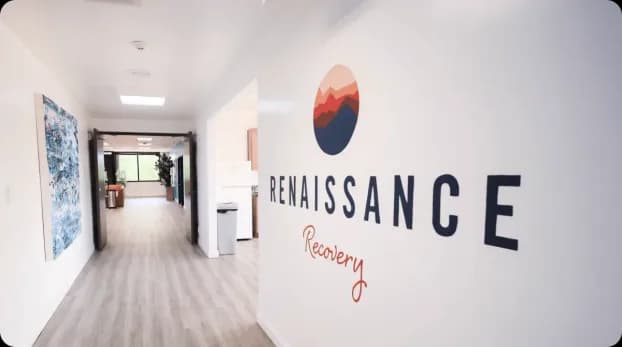
We strive to provide a comfortable, home-like environment during your recovery journey. Browse our facility images below to take a look at our upscale residential facilities.
Whether you’re seeking help for yourself or a loved one, our admissions team is available 24/7 to answer your questions and guide you toward the right care.